Platelet-rich plasma (PRP) uses a small amount of your own blood, which is processed and injected into the scalp. 1 The American Academy of Dermatology describes visits once a month for the first three months, then once every three to six months. 1 DermNet says PRP injections are still under investigation, and further studies are required to determine the magnitude of the benefit, if any. 2 3
Platelet-rich plasma, or PRP, uses a small amount of your own blood. The blood goes through a machine, and part of it is injected into your scalp. 1 4 It is not a one-off visit. The American Academy of Dermatology (AAD) describes a schedule of repeat injections. 1
The evidence is still early. Writing about female pattern hair loss, the AAD says the early findings show promise but more studies are needed. 4 DermNet says PRP injections are still under investigation. 2 3 This guide covers what a session involves, how often people go back, and what the sources say about the limits.
What PRP is
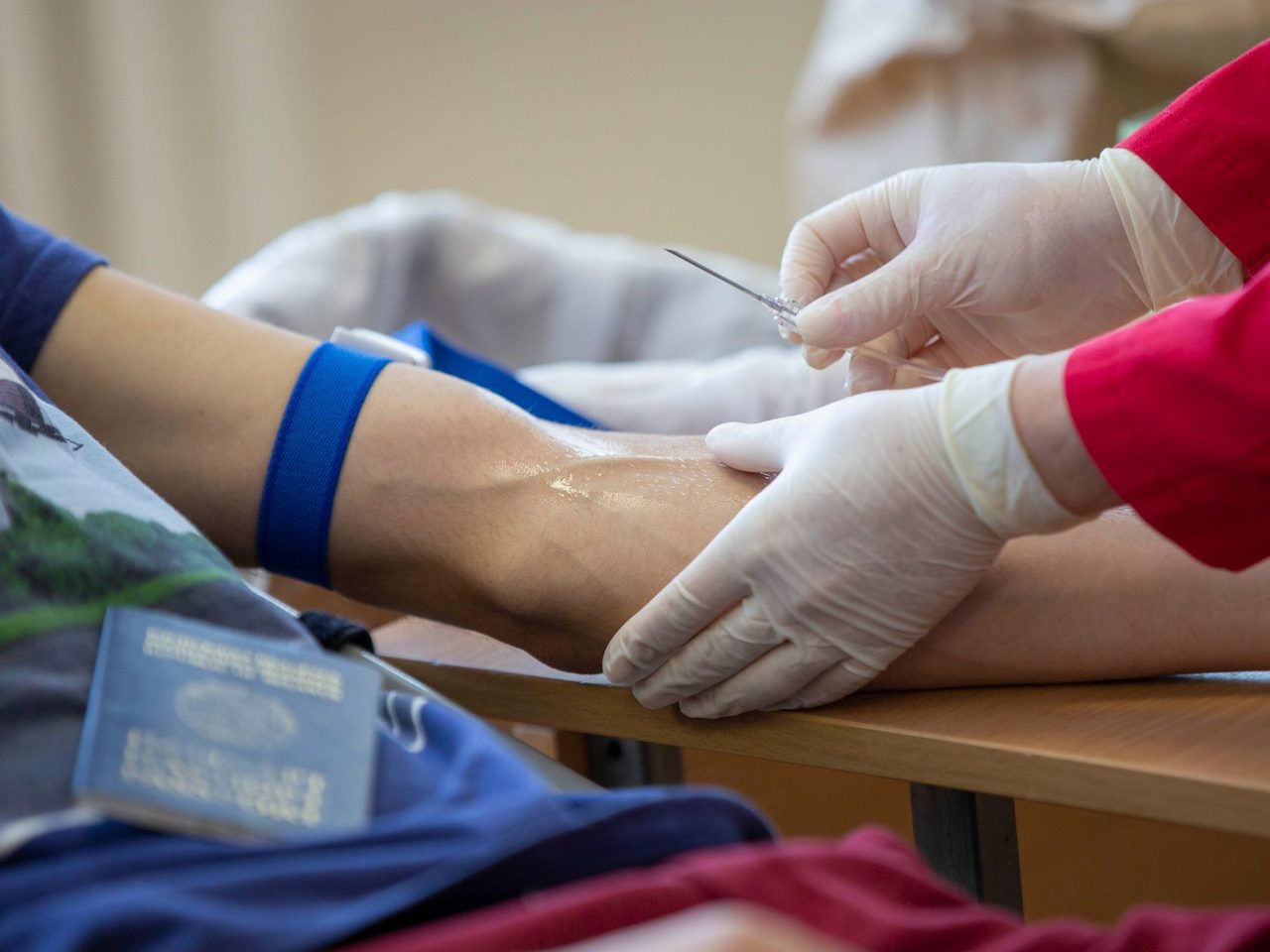
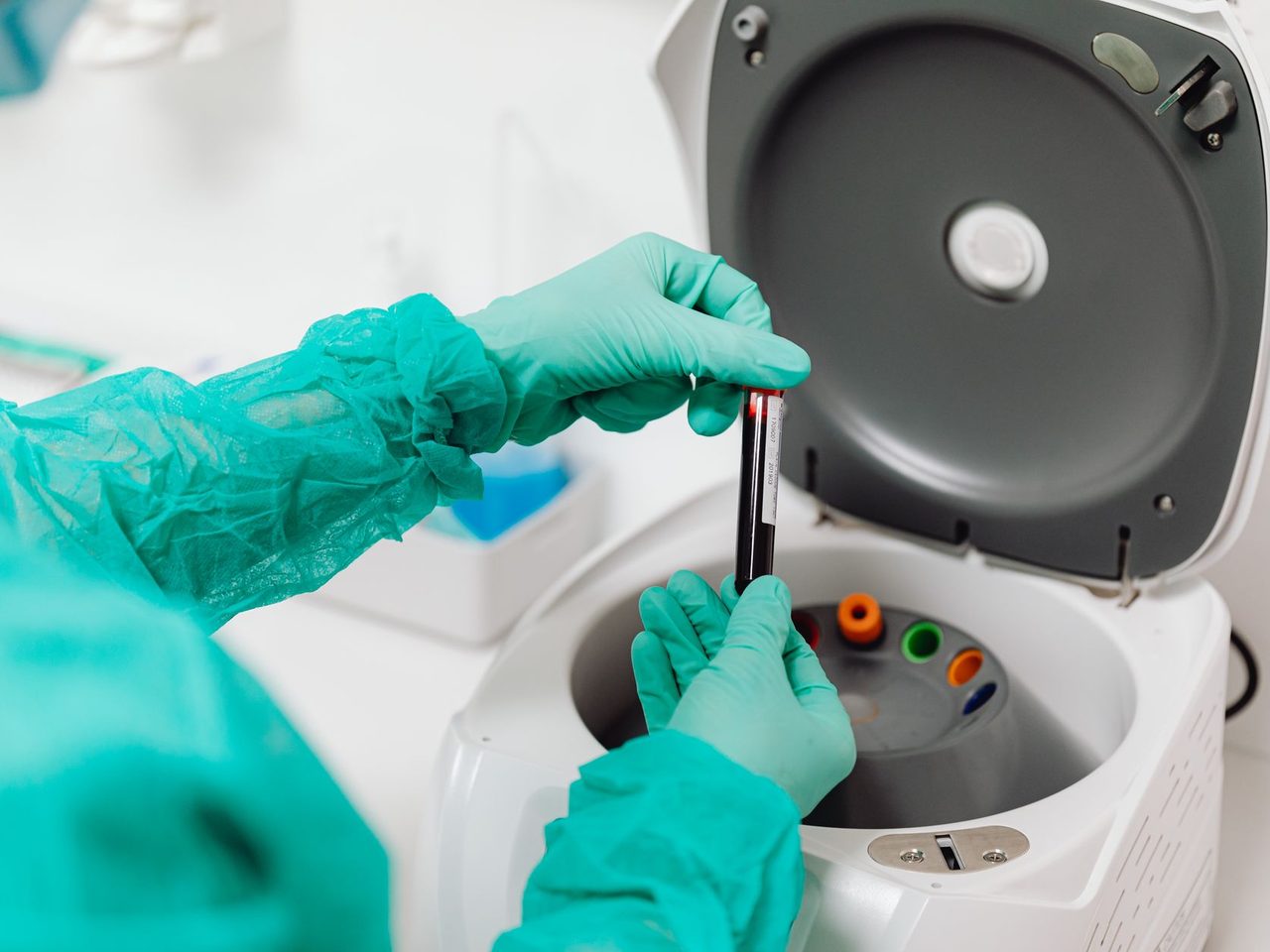
PRP therapy uses your own blood. 4 After a blood draw, the blood is placed in a machine that separates it into its different components. 4 Platelets are a type of blood cell. 4 The platelets are treated and then injected into your scalp. 4
Cleveland Clinic puts it more simply. A healthcare provider removes blood, processes it and injects it into your scalp to stimulate hair growth. 5
Why platelets? The AAD says it is believed the platelets help stimulate your cells to grow hair. 4 Notice the word "believed." It describes an idea about how PRP might work. It is not a settled finding.
What happens at a session
The AAD describes the basic steps. 1 Clinics may differ in the details.
- A blood draw. A small amount of your blood is drawn. 1
- Separation. The blood goes into a machine that separates your red blood cells from the plasma. 1
- Injections. Your plasma is then injected into your scalp. The AAD says this takes about 10 minutes. 1
- Recovery. Cleveland Clinic says recovery from PRP injections usually takes at least three weeks. 5
The AAD's figure of about 10 minutes is for the injection step. 1 The sources do not say how long the whole visit lasts.
Like any procedure, PRP can have side effects. Cleveland Clinic says they may include scalp pain and irritation, dizziness, nausea and vomiting. 5
How often sessions repeat
PRP is a series of visits. The AAD says you would need to return for more injections. 1
| Stage | What the sources describe |
|---|---|
| First three months | Return once a month for injections. 1 |
| After that | Return once every three to six months. 1 |
| Ongoing | You may need more injections to maintain your results. 5 |
The AAD says PRP is not a permanent solution. 1 It says maintenance treatments can help you maintain results. 1 So PRP is less a single treatment and more an ongoing commitment of time.
The kind of hair loss PRP is studied for
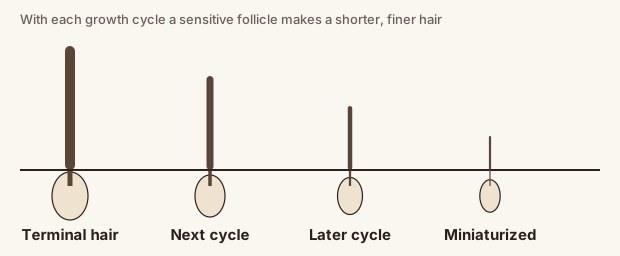
Most of the PRP discussion in these sources concerns pattern hair loss. 1 4 2 3 In male pattern baldness, hair follicles gradually shrink, often in a specific pattern. 5 As they shrink, the hairs get thinner and shorter. Over time, those hairs stop growing at all. 5 DermNet describes this as miniaturization of the follicles, which progressively produces fewer and finer hairs. 2
Researchers are just beginning to study PRP as a treatment for hair loss. 4 Our guide to female pattern hair loss explains how that condition usually looks.
What the sources say about the evidence
The sources do not all strike the same tone. It helps to read them side by side.
- AAD, on male pattern hair loss: Lists PRP as a procedure a dermatologist may recommend, depending on the location and extent of hair loss. 1 It says that within a few months, PRP can help lessen hair loss. Soon after, some patients see thickening of their hair or regrowth. 1
- AAD, on female pattern hair loss: Says preliminary research shows blood-platelet therapy may help. 4 It adds that more studies are needed to know whether PRP is a safe and effective treatment for female pattern hair loss. 4
- DermNet, on both: Says PRP injections are under investigation. Further studies are required to determine the magnitude of the benefit, if any. 2 3
- Cleveland Clinic: Lists platelet-rich plasma among the treatments for male pattern baldness. 5
The phrase "if any" matters. DermNet's wording leaves open the possibility that there is no benefit to measure. 2 3 The AAD also lists PRP under procedures, separately from its list of FDA-approved medications. 1
The limits to keep in mind
- It is not permanent. The AAD says PRP is not a permanent solution. 1
- It means repeat visits. Injections continue after the first three months, once every three to six months. 1
- Safety is still being studied. For female pattern hair loss, the AAD says more studies are needed on whether PRP is safe and effective. 4
- Side effects are possible. They may include scalp pain and irritation, dizziness, nausea and vomiting. 5
- Results are hard to predict. Writing about treatments for female pattern hair loss in general, DermNet says results are variable. It is not possible to predict who may or may not benefit. 3
Where PRP sits among other options
PRP is one approach among several. Cleveland Clinic lists medications, a hair transplant, platelet-rich plasma and styling techniques. 5 Our guide to hair loss treatment options walks through each group.
The AAD says PRP can be used alone or given before a hair transplant to improve results. 1 If a transplant is part of your thinking, see hair transplants: FUE vs FUT. Minoxidil is FDA-approved for male pattern hair loss and approved for women as a non-prescription treatment. 1 4 Our guide on minoxidil and what to ask a doctor covers it.
Get the diagnosis first
A dermatologist can tell you what type of hair loss you have. That matters because different types of hair loss require different treatments. 1 Other causes of hair loss can look like female pattern hair loss, so the AAD says it is important to rule them out. 4 DermNet notes that chronic telogen effluvium is often confused with female pattern hair loss. 3 Our guide to telogen effluvium explains the difference.
DermNet suggests a general practitioner as a first stop, who can refer you to a dermatologist. 3 It also warns that there are many bogus treatments that are expensive and do not work. 3 Our guides to seeing a dermatologist and spotting a hair loss scam can help you prepare.
Questions worth asking
- What type of hair loss do I have? A dermatologist can tell you. 1
- Is PRP planned alone or with another treatment? The AAD says it can be used alone or before a hair transplant. 1
- How many visits does the plan involve, and over how long?
- What is the complete list of side effects? Cleveland Clinic suggests asking this about treatments. 5
- What results can I expect? The AAD says a dermatologist can tell you what results to expect from treatment. 1
- What happens if I stop going back? Cleveland Clinic says you may need more injections to maintain results. 5
Choosing not to treat
Treatment is a choice, not a requirement. The AAD says you don't need to treat male pattern hair loss. 1 Cleveland Clinic says many people with male pattern baldness think it is part of aging and are comfortable with how it looks. 5 It also says male pattern baldness doesn't affect your physical health. 5
Hair loss can still weigh on you. Cleveland Clinic says you may experience emotional stress, anxiety and depression. 5 It suggests reaching out to a healthcare provider, especially if hair loss causes stress, anxiety or depression. 5 If you would rather work with the hair you have, see how to style thinning hair or how to shave your head.
The short version
PRP uses your own blood, processed and injected into the scalp. 1 Visits repeat once a month for the first three months, then once every three to six months. 1 The AAD calls the early findings promising, and DermNet says the size of any benefit is still unknown. 4 2 Start with a diagnosis, ask about side effects and the visit plan, and remember that leaving hair loss alone is a reasonable choice too. 1 5
- American Academy of Dermatology, “What is male pattern hair loss, and can it be treated?”. aad.org/public/diseases/hair-loss/treatment/male-pattern-hair-loss-treat
- DermNet, “Male pattern hair loss (androgenetic alopecia, balding)”. dermnetnz.org/topics/male-pattern-hair-loss
- DermNet, “Female pattern hair loss”. dermnetnz.org/topics/female-pattern-hair-loss
- American Academy of Dermatology, “Thinning hair and hair loss: Could it be female pattern hair loss?”. aad.org/public/diseases/hair-loss/types/female-pattern
- Cleveland Clinic, “Male Pattern Baldness (Androgenic Alopecia): Stages, Treatment”. my.clevelandclinic.org/health/diseases/24515-male-pattern-baldness-andro
- American Academy of Dermatology, “Hair loss: Signs and symptoms”. aad.org/public/diseases/hair-loss/insider/begin
- Mayo Clinic, “Hair loss - Symptoms and causes”. mayoclinic.org/diseases-conditions/hair-loss/symptoms-causes/syc-2037292
General information, not medical advice. This article was drafted with AI assistance and checked against the sources listed above. Nobody at Balds is a doctor. If something here is wrong or out of date, tell us.