Be wary of claims like "miracle cure", "guaranteed results", "secret ingredient" and quick fixes, and of success stories offered as proof; the FDA lists these as signs of health fraud. 1 Hair growth shampoos can make hair look fuller but cannot regrow hair or stop loss getting worse, says the AAD. 2 Only two medicines are FDA-approved for male pattern hair loss: minoxidil and finasteride. 3
Hair loss is a perfect market for bad products. It is common, it is upsetting, it changes slowly, and many causes improve on their own, which makes almost any product look like it worked. The American Academy of Dermatology notes that many people with hair loss buy products with claims that they can restore hair, and that the results are often modest at best. 4
This guide gives you the tools to judge a claim before you spend money. It is not about any single brand. It is about the patterns that repeat across ads, product pages and clinic websites.
The FDA's warning signs
The FDA describes a health product as fraudulent if it is promoted as effective against a condition but not scientifically proven safe and effective for that purpose. 1 It lists six tip-offs. 1
| Tip-off | What it looks like in hair loss marketing |
|---|---|
| One product does it all | A serum that "fixes" every kind of hair loss, from genetics to stress 1 |
| Personal success stories | Before-and-after photos and reviews instead of evidence; the FDA notes online reviews can be fake 1 |
| Quick fixes | Visible regrowth in days or weeks, when real treatments take months to judge 1 2 |
| "All natural" | Natural doesn't mean safe, the FDA says 1 |
| "Miracle cure", "guaranteed results", "secret ingredient" | The FDA says alarms should go off at claims like these 1 |
| Conspiracy theories | "What dermatologists don't want you to know" 1 |
The FDA also warns that fraudulent products can contain hidden drug ingredients, and that they waste money and delay proper diagnosis and treatment. 1 5

Growth shampoos
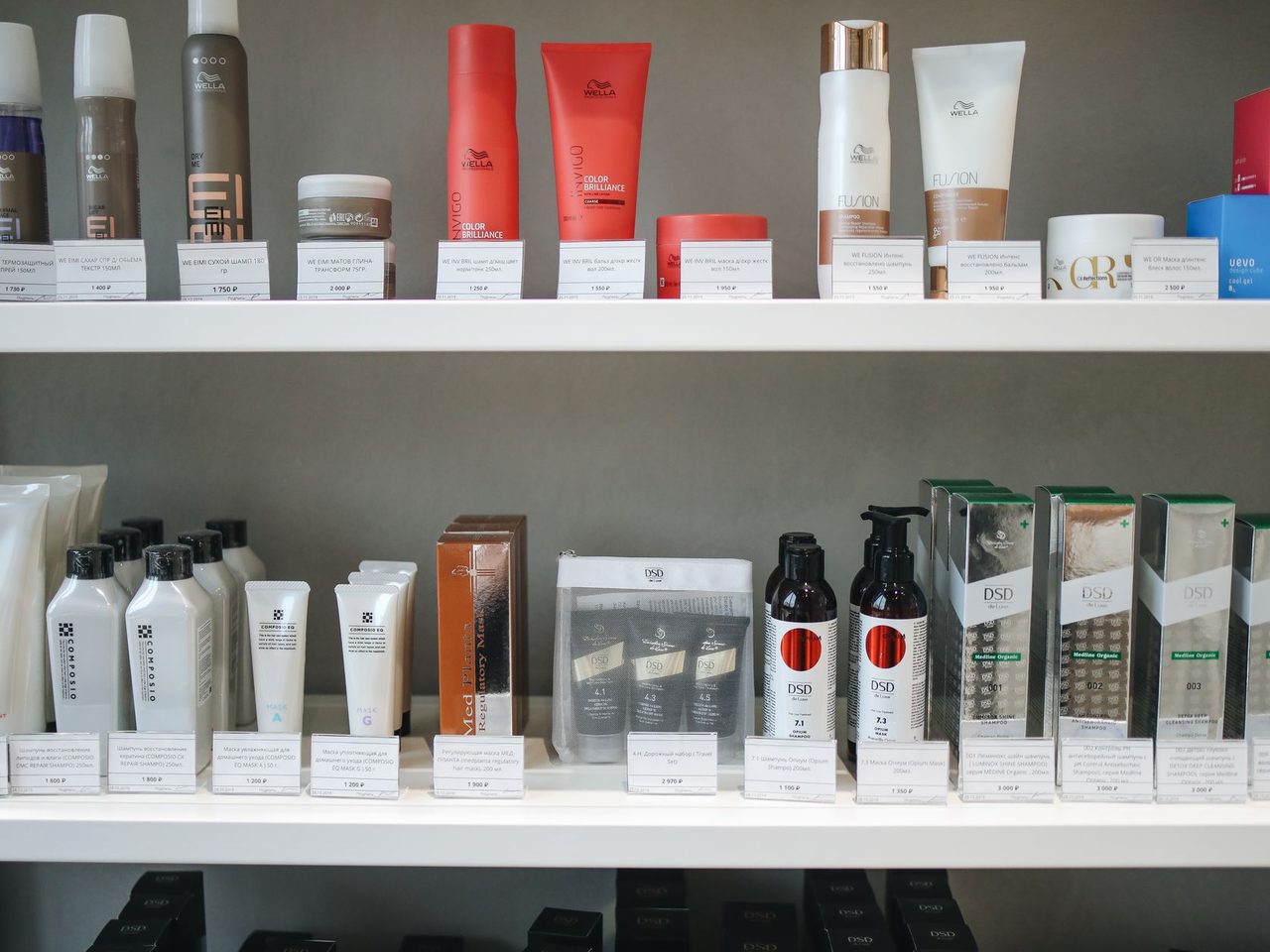
Shampoos are the most common hair loss product, and the gap between label and reality is widest here. The American Academy of Dermatology says hair loss shampoos tend to help hair hold moisture, making it look fuller, or lessen breakage, which can reduce thinning. 2 It is clear about the limit: they cannot regrow hair or prevent hair loss from worsening. 2
So a "thickening" shampoo is a cosmetic product. It can be a perfectly good one. The AAD itself suggests volumizing shampoos for women with temporary shedding, because they coat the hair and make it look fuller. 6 What it can't do is change what the follicles are doing. The one exception people ask about is ketoconazole, an antifungal shampoo ingredient; DermNet notes some evidence it may help pattern loss, perhaps because it treats dandruff and seborrheic dermatitis. 7
"FDA approved" vs "FDA cleared"
These phrases sound alike and mean different things. The AAD says only two medicines are FDA-approved for male pattern hair loss: topical minoxidil and finasteride. 3 For women, minoxidil is the FDA-approved treatment. 2
Devices are different. The AAD explains that "FDA cleared" on a laser device means the FDA recognizes it as safe, and that the requirements for clearance are much less stringent than for approval. 3 A cleared device is not the same as a proven treatment.
Supplements are different again. The AAD says the FDA does not regulate dietary supplements for safety and effectiveness before they are sold. 4 Our guide to biotin and hair supplements covers the evidence.

Clinics and procedures
Commercial hair clinics can be expensive and persuasive. The NHS suggests seeing a GP to find out what is causing your hair loss before going to a commercial hair clinic. 9 For hair transplants, the ISHRS warns about false and exaggerated advertising, such as "scarless" surgery, and about unlicensed technicians performing procedures. 10 11 Our guide to transplants lists the questions to ask a clinic.
Why hair loss products seem to work
Several things make an ineffective product look effective.
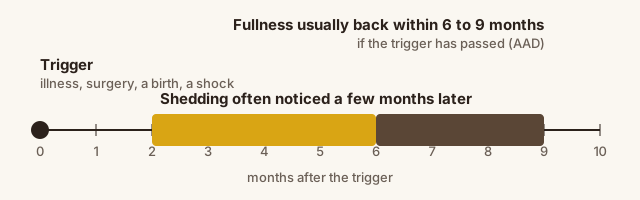
- Shedding stops on its own. The AAD says shedding after a stressful event usually stops, with hair regaining fullness within six to nine months. 8 Anything started during that time gets the credit.
- Alopecia areata can regrow without treatment. The AAD notes hair may regrow on its own in a mild case. 12
- Pattern loss comes in bursts and pauses. A pause can look like success. 13
- Cosmetic coating. Products that coat hair make it look thicker today, whatever happens at the root. 6
How to check before you buy
- Get a diagnosis first. The AAD says the key to results is knowing the cause of your hair loss. 14
- Ask what the active ingredient is, and whether it is an FDA-approved medicine, a cleared device or a supplement.
- Look for evidence, not testimonials. 1
- Check with a doctor or pharmacist, as the FDA suggests for any product with questionable claims. 1
- Report harm. The FDA asks consumers to report adverse reactions to its MedWatch program. 1
- FDA, “6 Tip-offs to Rip-offs: Don't Fall for Health Fraud Scams”. fda.gov/consumers/consumer-updates/6-tip-offs-rip-offs-dont-fall-health-
- American Academy of Dermatology, “Thinning hair and hair loss: Could it be female pattern hair loss?”. aad.org/public/diseases/hair-loss/types/female-pattern
- American Academy of Dermatology, “What is male pattern hair loss, and can it be treated?”. aad.org/public/diseases/hair-loss/treatment/male-pattern-hair-loss-treat
- American Academy of Dermatology, “Hair loss: Tips for managing”. aad.org/public/diseases/hair-loss/treatment/tips
- FDA, “Health Fraud Scams”. fda.gov/consumers/health-fraud-scams
- American Academy of Dermatology, “Hair loss in new moms: Dermatologist tips”. aad.org/public/diseases/hair-loss/insider/new-moms
- DermNet, “Male pattern hair loss (androgenetic alopecia, balding)”. dermnetnz.org/topics/male-pattern-hair-loss
- American Academy of Dermatology, “Do you have hair loss or hair shedding?”. aad.org/public/diseases/hair-loss/insider/shedding
- NHS, “Hair loss”. nhs.uk/symptoms/hair-loss/
- ISHRS, “Ask your Hair Restoration Surgeon: Questions to Have Confidence Before Surgery”. ishrs.org/questions-ask-your-hair-doctor/
- ISHRS, “FUE Hair Transplant: Benefits, Process & Recovery”. ishrs.org/fue-what-is-it/
- American Academy of Dermatology, “Hair loss: Diagnosis and treatment”. aad.org/public/diseases/hair-loss/treatment/diagnosis-treat
- DermNet, “Female pattern hair loss”. dermnetnz.org/topics/female-pattern-hair-loss
- American Academy of Dermatology, “Hair loss: Overview”. aad.org/public/diseases/hair-loss/causes/fall-out
- American Academy of Dermatology, “Hair loss: Signs and symptoms”. aad.org/public/diseases/hair-loss/insider/begin
- Mayo Clinic, “Hair loss - Symptoms and causes”. mayoclinic.org/diseases-conditions/hair-loss/symptoms-causes/syc-2037292
General information, not medical advice. This article was drafted with AI assistance and checked against the sources listed above. Nobody at Balds is a doctor. If something here is wrong or out of date, tell us.