Spironolactone is a diuretic pill that a dermatologist may prescribe for female pattern hair loss, though it is not FDA-approved for that use. 1 The American Academy of Dermatology says it takes 6 to 12 months to know if it works for you. 1 It may cause birth defects, so it is not an option for women who are pregnant or plan to become pregnant. 1
Spironolactone is a pill that a dermatologist may prescribe for female pattern hair loss. 1 It is FDA-approved for other conditions, but not for this one. 1 So when it is used for hair, it is used off-label.
It is slow, it is not for everyone, and it needs some checks along the way. This guide covers what it is and how long it takes to judge. It also covers the pregnancy precautions, side effects and monitoring worth raising. It does not cover doses. Those are for your prescriber.
What spironolactone is
The American Academy of Dermatology (AAD) describes spironolactone as a diuretic. 1 It says the drug has been prescribed for decades to treat hair loss. 1 A review by Dinh and Sinclair says it acts as an androgen antagonist. 2 It blocks androgen receptors and also reduces androgen production by the ovaries. 2 Androgens are often called male sex hormones. 3
The role of androgens in female pattern hair loss is not clear. 3 DermNet says most women with the condition have normal androgen levels in their blood. 3 Even so, the review says the response to oral antiandrogens suggests the condition is androgen dependent, at least in the majority of cases. 2
The AAD groups spironolactone with other prescription pills for this condition, such as finasteride, flutamide and dutasteride. 1 Our guide to finasteride and what to discuss with a prescriber covers that option. For the condition itself, see female pattern hair loss explained.

What "off-label" means here
The AAD says the prescription medicines used for female pattern hair loss have FDA approval for other conditions, but not for this one. 1 It adds that doctors often prescribe approved medicines for conditions other than the ones they were approved for. 1 That is what off-label means. It is worth knowing, and worth asking about.
The research is modest. Dinh and Sinclair note that published studies supporting spironolactone's efficacy are limited. 2 One study they cite compared spironolactone with another antiandrogen, cyproterone acetate, in 80 women with biopsy-confirmed female pattern hair loss. 2 Overall, 88% of women either experienced improvement or had no progression of their hair loss. 2 There was no significant difference between the two medicines. 2
The review names antiandrogens and minoxidil as the two main medicine options. 2 DermNet notes that a combination of low dose oral minoxidil and spironolactone has been shown to significantly improve hair growth, reduce shedding and improve hair density. 3 Our guide to minoxidil and what to ask a doctor covers that drug.
What it may and may not do
The AAD says spironolactone is a common treatment because it can help restore hair growth and prevent hair loss from worsening. 1 DermNet frames expectations more cautiously. It says there is no cure. 3 It says the aim of treatment is to slow or stop progression rather than to promote regrowth. 3 Some women do experience regrowth, it adds. 3 Results are variable, and it is not possible to predict who may or may not benefit. 3
Dinh and Sinclair make a similar point. They say oral antiandrogens and topical minoxidil are more effective at arresting progression than stimulating regrowth. 2 For that reason, they call early diagnosis and treatment desirable. 2 The AAD also says treatment delivers the best results when started at the first sign of hair loss. 1
How long before you can judge it
Hair grows slowly. The sources differ a little on timing, but all of them ask for patience.
| Source | What it says about timing |
|---|---|
| American Academy of Dermatology | Take it for 6 to 12 months before you know if it works for you. No hair growth within 12 months means it won't work for you. 1 |
| Dinh and Sinclair review | Androgen-dependent medicines need at least 1 year before an accurate appraisal. An initial response often takes 12 or even 24 months. 2 |
| DermNet | Treatment needs to continue for at least six months before the benefits can be assessed. 3 |
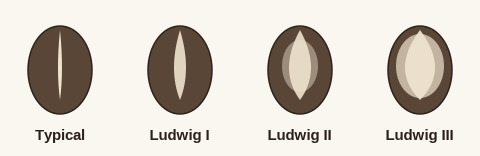
With a delay that long, memory is a poor guide. The review says clinical photography or standardized severity scales are helpful for monitoring. 2 One of these is the Ludwig scale. It sorts thinning over the crown into three grades. 2
- Grade I: perceptible thinning of the hair on the crown. 2
- Grade II: pronounced thinning within that same area. 2
- Grade III: full baldness within that area. This severe stage affects less than 1% of women. 2
Our guide to the Ludwig scale explains the grades in more detail.

What happens if you stop
This is a long-term commitment. Dinh and Sinclair say all treatments need to be continued to maintain the effect. 2 The AAD says that once you stop a prescription medicine for this condition, you lose the hair that grew. 1 That happens in about three to four months. 1 DermNet says it is important not to stop treatment without first discussing it with your doctor. 3
Pregnancy and birth control
This is the most important precaution. The AAD says all of these prescription medicines may cause birth defects. 1 None is an option for women who are pregnant or plan to become pregnant. 1 The review says androgen-dependent medicines carry a risk of abnormalities in the genitalia of a male fetus. 2
The AAD says dermatologists recommend that all pre-menopausal women use birth control while taking one of these medicines. 1 The review says many physicians recommend an oral contraceptive pill throughout treatment. 2 It also says it is useful for a doctor to ask whether you plan to become pregnant in the near future. 2 If you are breastfeeding, ask your prescriber directly. The sources used here do not address it for spironolactone.
Side effects to discuss
The AAD says side effects are possible with any medication, and to ask your dermatologist about them. 1 Dinh and Sinclair link some side effects partly to spironolactone's action on aldosterone, a hormone. 2 They list:
- Postural hypotension, a drop in blood pressure on standing. 2
- Electrolyte disturbances. 2
- Menstrual irregularities. 2
- Fatigue. 2
- Urticaria, also called hives. 2
- Breast tenderness. 2
- Hematological disturbances, meaning changes in the blood. 2
What to tell your doctor, and the checks
Before you start, the AAD says to tell your dermatologist about your medical conditions. 1 That includes kidney and adrenal gland problems. 1 Your dermatologist should also know every medicine and supplement you take. 1
The review recommends regular blood pressure and electrolyte monitoring, especially in the first few months. 2 It urges extra caution for people with kidney problems, since the drug can potentially cause serious electrolyte disturbances. 2
Some questions worth bringing:
- Are you sure this is female pattern hair loss?
- Which blood tests will I need, and how often?
- What should I do if I want to become pregnant?
- How will we measure progress? Photos, or a scale?
- Which side effects should make me call you?
- What happens if I want to stop?
Get the diagnosis right first
The AAD says other causes of hair loss can look like female pattern hair loss, and each needs different treatment. 1 When shedding is heavy but the part has not widened much, the review says telogen effluvium should be considered. 2 Our guide to telogen effluvium explains the difference.
Irregular periods, marked acne or excess hair growth alongside thinning should prompt a doctor to look for a cause, such as polycystic ovary syndrome. 2 Rarely, a hormone-producing tumor can cause recent, rapidly progressive and severe hair loss. 2 If you are booking a visit to ask about spironolactone, read what a hair loss appointment with a dermatologist involves first.
Choosing not to treat is also fine
A medicine is one option, not an obligation. The review notes that some women are content to be reassured that their hair loss is not a sign of serious disease. 2 It lists changing hairstyles, camouflage products and hair replacement as other approaches. 2 The AAD notes that women with this condition do not lose all of their hair, as some men do. 1 Not every woman with it will develop overall thinning. 1
If you would rather work with your hair as it is, see how to style thinning hair or the guide to wigs, toppers and hairpieces.

- American Academy of Dermatology, “Thinning hair and hair loss: Could it be female pattern hair loss?”. aad.org/public/diseases/hair-loss/types/female-pattern
- Dinh & Sinclair, Clin Interv Aging (PMC), “Female pattern hair loss: Current treatment concepts - PMC”. pmc.ncbi.nlm.nih.gov/articles/PMC2684510/
- DermNet, “Female pattern hair loss”. dermnetnz.org/topics/female-pattern-hair-loss
- American Academy of Dermatology, “Hair loss: Signs and symptoms”. aad.org/public/diseases/hair-loss/insider/begin
- Mayo Clinic, “Hair loss - Symptoms and causes”. mayoclinic.org/diseases-conditions/hair-loss/symptoms-causes/syc-2037292
General information, not medical advice. This article was drafted with AI assistance and checked against the sources listed above. Nobody at Balds is a doctor. If something here is wrong or out of date, tell us.