The American Academy of Dermatology says coloring, perming and relaxing can damage hair, and that thinning hair is fragile and easily damaged. 1 2 For people with hair loss, it suggests stopping at-home chemical services and choosing a salon that specializes in the service you want. 2 It also advises having only one service and adding more time between touch-ups. 1
Thinning hair does not rule out color, a perm or a relaxer. But the American Academy of Dermatology (AAD) suggests using a specialist salon rather than doing these at home. 2 Its main concern is damage. Damaged hair is fragile, so it tends to break. 1
This guide covers what that advice means in practice. It explains how far apart to space services and why to have one at a time. It also covers salon versus home and how to protect colored hair in the sun.
How chemical services can damage hair
The AAD lists coloring, perming and relaxing among common hair-care habits that can damage hair. 1 It says many treatments that improve how hair looks can leave it dry and brittle. 3 Breakage can leave hair frizzy and unhealthy looking. 1
Starting with thinner hair makes this more important. The AAD says hair that is thinning or falling out is fragile and easily damaged. 2 It also warns that if people keep damaging their hair, they may eventually see thinning hair or even bald spots. 1
That is not a reason to panic. The AAD says simple changes can prevent further hair damage. 1 Most of those changes are about how often, how strong and where.
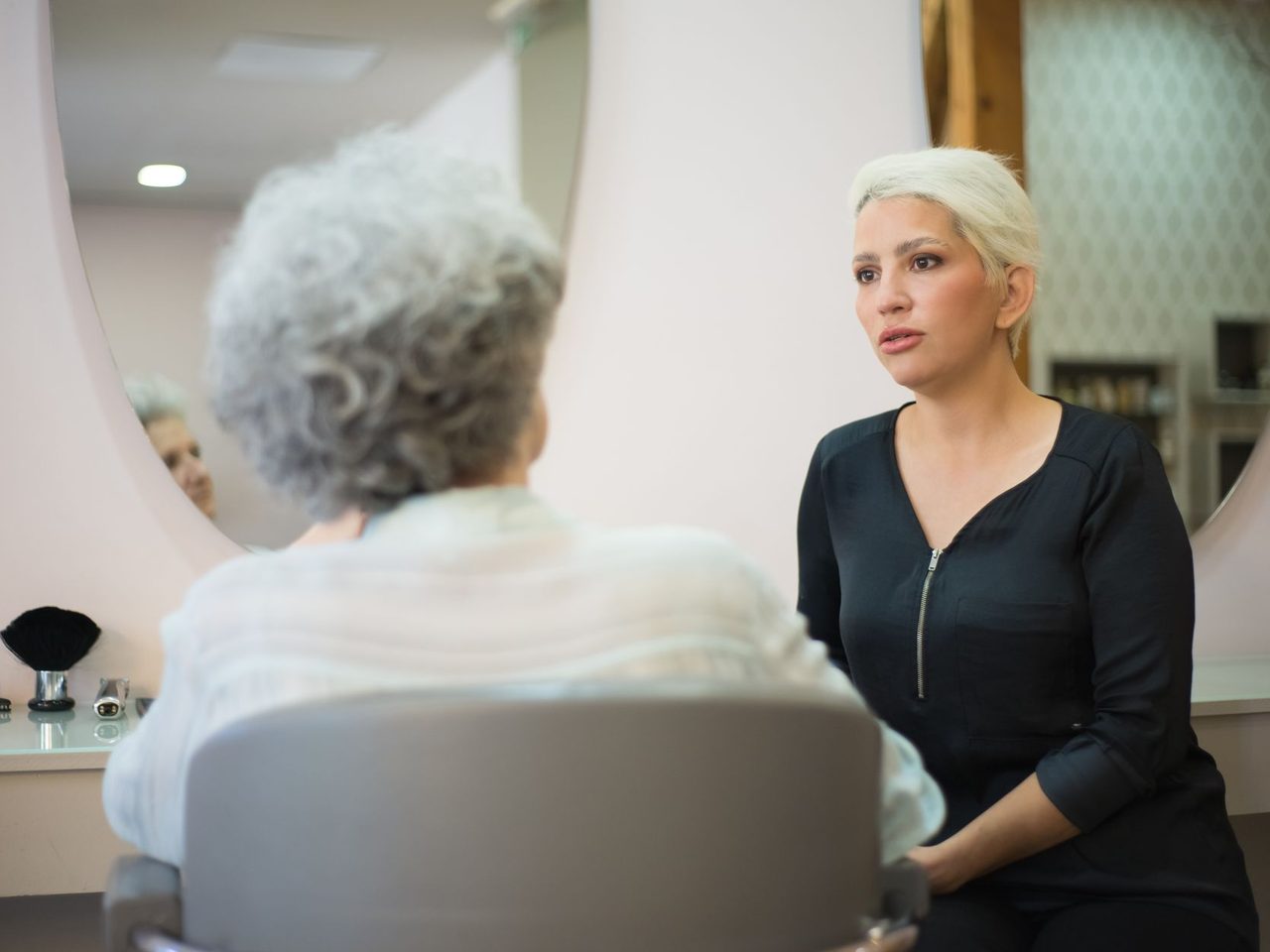
Coloring: stay close to your natural shade
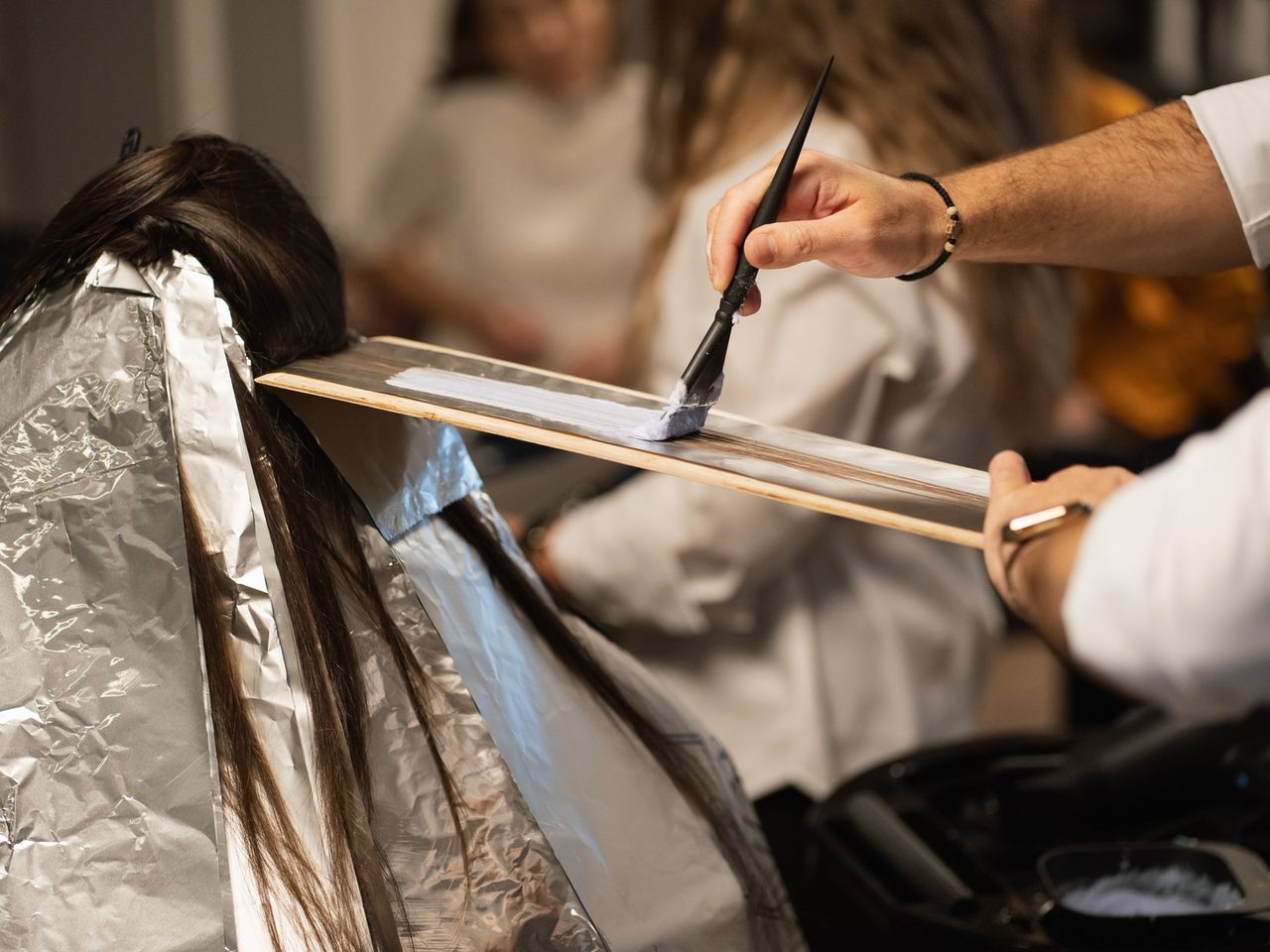
For dye, the AAD's tip is to stay "on shade." It suggests a color within three shades of your natural color. 3 Typically, dyeing hair darker is better than going lighter. 3 Lightening hair more than three shades needs higher volumes of peroxide, which causes more hair damage. 3
The AAD also advises testing store-bought hair color before you use it. Follow the manufacturer's instructions. 3 A rash, redness, swelling, burning or itching means you are having an allergic reaction to the dye. 3 If that happens, the AAD says not to dye your hair. It advises seeing a dermatologist for further allergy testing. 3
How far apart to space services
Time between treatments is one of the simplest levers. The AAD suggests adding more time between touch-ups, especially when the air is dry. 1 In winter, it suggests trying to stretch touch-ups to every 8 to 10 weeks or longer. 1
Roots growing in can make waiting feel long. If they bother you between visits, our guide to styling thinning hair has ideas for working with what you have.
Why one service at a time
The AAD's advice is to have only one service: a coloring, a relaxer or a perm. 1 Stacking services means more chemical treatment for hair that is already fragile. 1 2
If you want more than one, the AAD gives an order to follow:
- Perm or relax first. The chemical texture service comes before color. 1
- Wait two weeks, then color. The AAD says to do the perm or relaxer two weeks before you color your hair. 1
- Then space out touch-ups. Add more time between them, especially in dry air. 1
Perms call for extra care on their own. The AAD urges caution when perming to prevent long-lasting damage. 3 It suggests setting a timer so you know when to rinse the perm solution. It also says to always follow package instructions. 3
Salon or home kit?
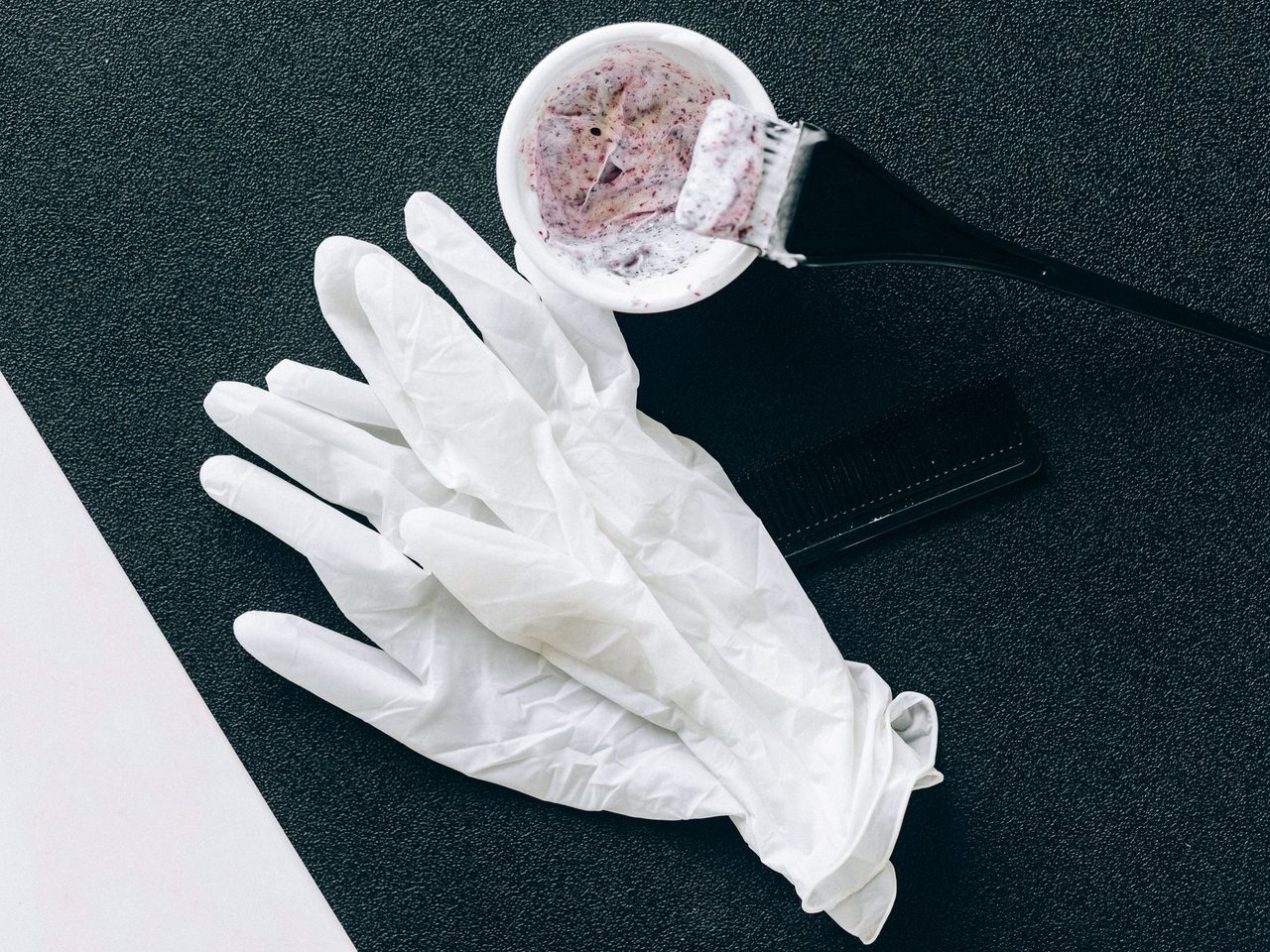
For people with hair loss, the AAD's advice is clear. It says to stop at-home coloring, perming, chemical straightening and relaxing. 2 If you still want these services, it suggests a salon that specializes in the one you want. 2 Its professionals should know how to examine your scalp and hair to find the most suitable product for you. 2 The AAD also says to make sure the salon uses a moisturizing conditioner afterward. 2
A few things worth raising at the appointment:
- Say that your hair is thinning, so they can examine your scalp and hair before choosing a product. 2
- Ask about staying "on shade," close to the color you were born with. 3
- Book one service per visit, and plan the gap if you want both texture and color. 1
- Ask for a moisturizing conditioner once the service is done. 2
If you wear a weave or extensions too, the AAD suggests getting them at a salon that specializes in those services. 1 Our guide to weaves and extensions covers that in more detail.
Protecting colored hair in the sun
The sun can make hair weak, dry, rough, faded and brittle, according to the AAD. 3 It says this is especially true if you dye, bleach or perm your hair. 3 It suggests two kinds of protection:
- A wide-brimmed hat when you go outside. 3 1
- A leave-in conditioner that contains zinc oxide when you are in the sun. 1
If you are wondering whether hats themselves harm hair, see does wearing a hat cause hair loss?
Pools are worth a thought too. The AAD says pool chemicals can be hard on your hair. 1 Promptly drying your hair and using shampoo and conditioner after swimming can protect hair from damage. 1 It suggests a specially formulated swimmers' shampoo, followed by a deep conditioner. 1
Everyday care between services
Between appointments, the AAD's general advice for fragile, thinning hair still applies. 2
- Use a gentle shampoo. Some shampoos can strip moisture from hair. 2
- Apply a moisturizing conditioner after every shampoo. It coats the strands, which reduces breakage and split ends. 2
- Use a leave-in conditioner or detangler after washing. It helps reduce breakage, split ends and frizz. 2
- Skip hot-oil treatments. They heat up the hair, which further damages fragile hair. 2
- Limit heat tools, and use low or medium settings with a heat protectant. 4
For the washing side of this, see how often to wash thinning hair. Tight styles add their own strain. The AAD says styles that pull can cause tension that leads to breakage. 5 Our guide to traction alopecia explains more.
When to get help
Some reactions need attention right away. If a perm solution causes excessive stinging and burning on your scalp, the AAD says to wash it off immediately. It advises seeing your dermatologist. 3 With hair dye, a rash, redness, swelling, burning or itching signals an allergic reaction. 3
Longer-term worries are worth checking too. If changing your hair care does not lead to healthier hair, the AAD says you may want to see a dermatologist. 1 Your hair care may not be the root cause of the problem. 1 The AAD says seeing a dermatologist is especially important if you are concerned about thinning hair or hair loss. 1
If you are not sure whether you are losing more hair than usual, read how much hair loss a day is normal. For what a visit involves, see seeing a dermatologist about hair loss.
The short version
Coloring, perming and relaxing can damage hair, and thinning hair is fragile. 1 2 The AAD suggests a specialist salon over home kits. It also suggests a single service per visit and longer gaps between touch-ups. 2 1 Staying close to your natural shade and protecting hair from the sun can also limit damage. 3
You might keep coloring, go back to your natural shade or let the thinning show. Any of those is a fine choice. Feeling settled with your hair as it is counts as a good outcome too.
- American Academy of Dermatology, “How to stop damaging your hair”. aad.org/public/diseases/hair-loss/insider/stop-damage
- American Academy of Dermatology, “Hair loss: Tips for managing”. aad.org/public/diseases/hair-loss/treatment/tips
- American Academy of Dermatology, “Coloring and perming tips for healthier-looking hair”. aad.org/public/everyday-care/hair-scalp-care/hair/coloring-perming-tips
- American Academy of Dermatology, “Tips for healthy hair”. aad.org/public/everyday-care/hair-scalp-care/hair/healthy-hair-tips
- American Academy of Dermatology, “Hair styling without damage”. aad.org/public/diseases/hair-loss/hair-care/styling
- American Academy of Dermatology, “Hair loss: Signs and symptoms”. aad.org/public/diseases/hair-loss/insider/begin
- Mayo Clinic, “Hair loss - Symptoms and causes”. mayoclinic.org/diseases-conditions/hair-loss/symptoms-causes/syc-2037292
General information, not medical advice. This article was drafted with AI assistance and checked against the sources listed above. Nobody at Balds is a doctor. If something here is wrong or out of date, tell us.