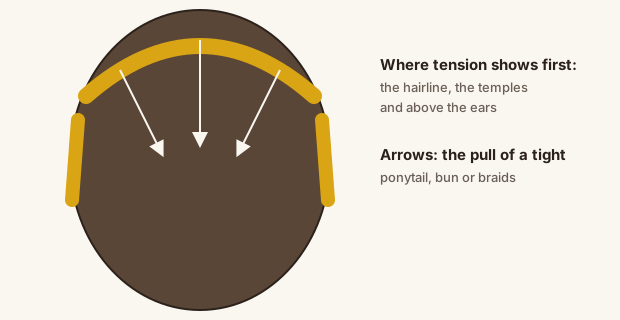
Traction alopecia is hair loss caused by repeated pulling on the hair, from tight ponytails, buns, braids, cornrows, weaves or extensions. 1 2 The hairline is one of the first places it shows. 1 Caught early, loosening the style lets the hair recover; if the pulling continues and the skin turns shiny and bald, the AAD says the hair cannot grow back. 1
Tight styles are part of daily life for many people: for work, for sport, for culture, or because they look good and last. The styles themselves are not the problem. Constant tension on the same follicles, day after day, is.
Traction alopecia is one of the few kinds of hair loss that is fully preventable, and often reversible if caught early.
What it is
DermNet describes traction alopecia as hair loss that results from prolonged or repeated tension on the scalp hair. 2 It notes the condition was first described in people who developed hair loss along the hairline from wearing tight ponytails for years. 2
The American Academy of Dermatology says styles that constantly pull damage the hair, and over time the pulling can lead to hair loss. 1 The AAD's weave guidance explains the mechanism: constant pulling can break hair or make it fall out, and can damage the follicles. Once the follicles are damaged, hair cannot grow back. 3
Which styles cause it
The AAD says these can cause traction alopecia when they are too tight. 1
- tightly pulled buns, ponytails and updos; 1
- tight braids and cornrows; 1 2
- weaves and extensions, especially heavy ones; 3 1
- rollers worn to bed most of the time; 1
- a hat, head scarf or covering that rubs constantly, especially over hair pulled back tightly. 1
DermNet adds dreadlocks and tight chignons. 2 The AAD says girls and women of African descent are especially at risk, partly because the shape of their follicles makes the hair more likely to be damaged by tight styles. 1 Ballet dancers, military personnel and anyone who must pull hair back for work are at higher risk too. 1 Children can get it, because styling habits often start young. 1
The early warning signs
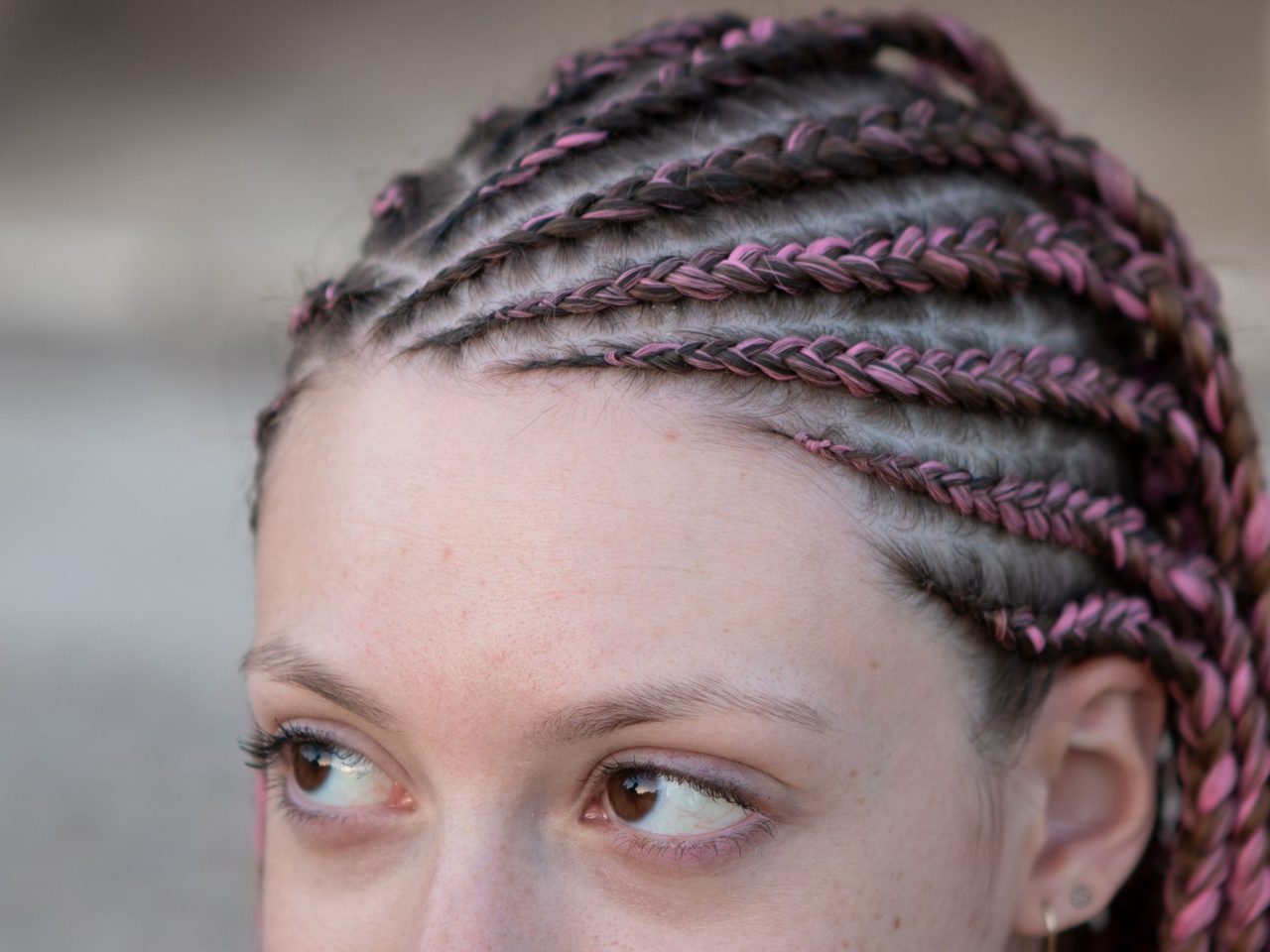
The AAD suggests that anyone who wears tight styles check once a month for early signs. 1 The hairline is one of the first places it shows. 1 Watch for:
- a style that hurts; the AAD says if it feels painful, it is too tight; 1
- pain or a headache while a weave or extensions are being put in; 3
- small bumps on the scalp where the hair is pulled;
- broken hairs and thinning along the edges, temples or above the ears;
- patches of hair loss where the hair is pulled tightly. 1
The AAD says to change your hairstyle straight away if you notice problems like these. 1
When it becomes permanent
This is the part to take seriously. If the pulling continues, the AAD says most people eventually notice the hair stops growing, and where there was hair there is shiny, bald skin. At that stage, the hair cannot grow back. 1 The AAD also says traction alopecia can become permanent the longer it goes untreated. 1
So early action is everything. Thinning edges are a signal to change something now, not a year from now. A stylist you see regularly is often the first to notice, and the AAD's dermatologists say stylists can help support healthy hair care once a diagnosis is made. 4
How to protect your hair and keep your style
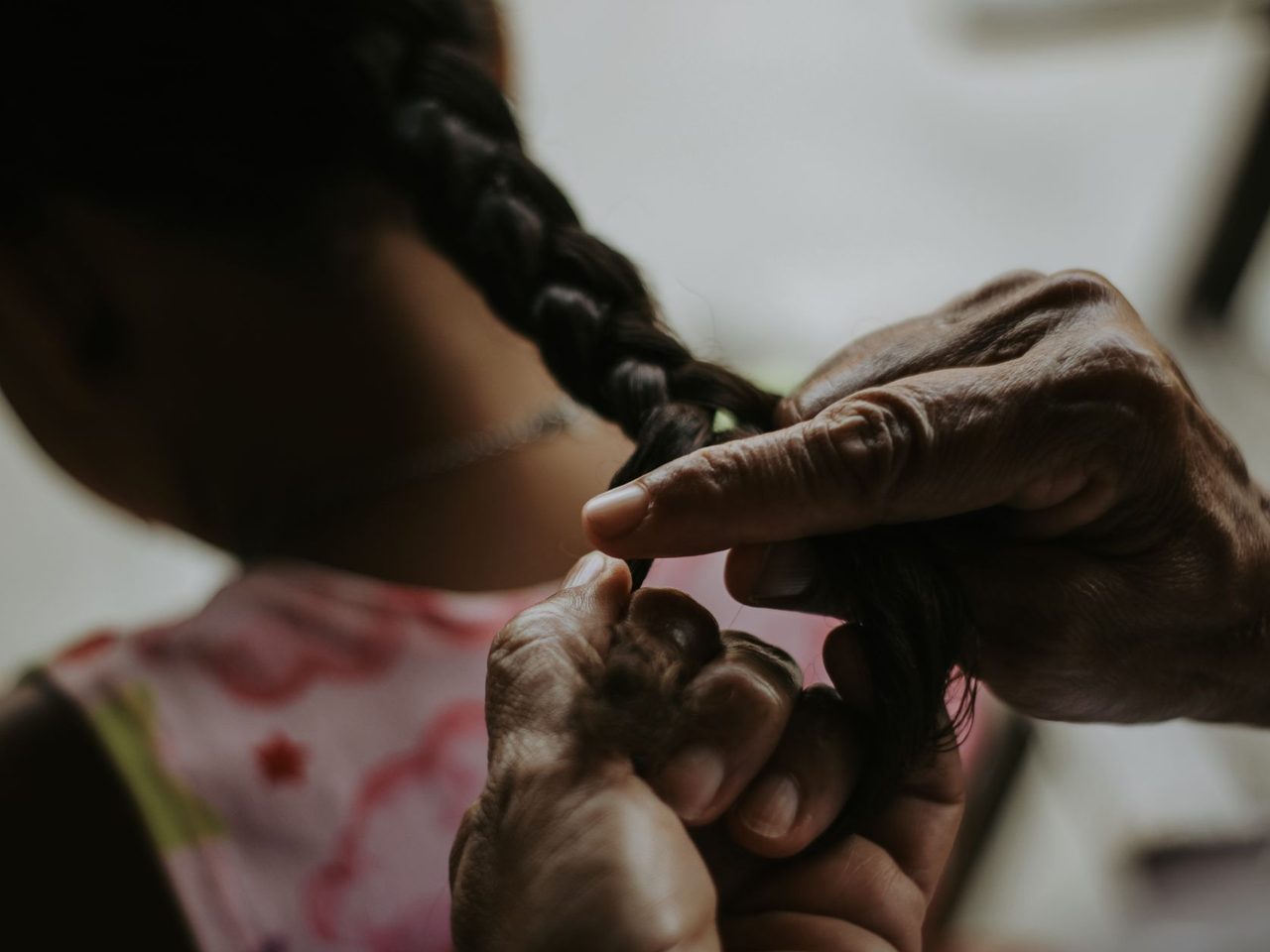
The AAD's dermatologists say you can protect your hair while still wearing the styles you prefer. 1
- Don't wear tight styles all the time. Tight now and then is fine; often is the problem. 1
- Switch styles regularly. After cornrows, for example, wear loose braids or go natural for a few months. 1
- Choose sewn-in weaves over bonded ones, and make sure cornrows underneath aren't tight. 1
- Limit weaves and extensions to two or three months at most, then give your hair a break. 3 5
- Protect your edges. The AAD says the fine hairs at the hairline are fragile; use water-based gels, keep them moisturized and avoid heat. 3
- Use covered elastic bands made for hair. 5
- Use a professional stylist for weaves and extensions, and speak up if it hurts. 3
If you already have thinning
The first step is stopping the tension. The AAD says people diagnosed with traction alopecia should stop wearing tight styles, and that a dermatologist can suggest lower-risk alternatives such as looser braids and less heat and product. 1 If changing habits isn't enough, a dermatologist may prescribe medicine to help regrow hair. 1
It is also worth checking that it really is traction. The AAD notes that something else, such as stress or genetics, may be causing the loss. 1 Thinning at the crown in particular can be CCCA, a scarring condition that needs prompt treatment. 6 And the AAD's dermatologists stress that people with hair loss shouldn't blame themselves for it; getting the right diagnosis early is what matters. 4

- American Academy of Dermatology, “Hairstyles that pull can lead to hair loss”. aad.org/public/diseases/hair-loss/causes/hairstyles
- DermNet, “Traction alopecia”. dermnetnz.org/topics/traction-alopecia
- American Academy of Dermatology, “How to prevent hair damage from a weave or extensions”. aad.org/public/diseases/hair-loss/insider/stop-damage/prevent-hair-damag
- American Academy of Dermatology, “Hair loss in Black women: Here’s how dermatologists help”. aad.org/public/diseases/hair-loss/insider/hair-loss-black-women
- American Academy of Dermatology, “How to stop damaging your hair”. aad.org/public/diseases/hair-loss/insider/stop-damage
- American Academy of Dermatology, “Hair loss types: Central centrifugal cicatricial alopecia overview”. aad.org/public/diseases/hair-loss/types/ccca
- American Academy of Dermatology, “Hair loss: Signs and symptoms”. aad.org/public/diseases/hair-loss/insider/begin
- Mayo Clinic, “Hair loss - Symptoms and causes”. mayoclinic.org/diseases-conditions/hair-loss/symptoms-causes/syc-2037292
General information, not medical advice. This article was drafted with AI assistance and checked against the sources listed above. Nobody at Balds is a doctor. If something here is wrong or out of date, tell us.