An ordinary, comfortable hat is not among the causes of hair loss that dermatology sources list. 1 2 What can cause loss is constant pulling or rubbing: the American Academy of Dermatology says a hat, scarf or other covering rubbing over hair can lead to traction alopecia, especially when the hair is pulled back tightly underneath. 3
The worry comes up a lot, often from people who wear a cap every day and then notice a higher hairline. It is a reasonable question. A hat sits right where hair loss tends to show.
The short answer is reassuring. The longer answer has one real exception, and it is worth knowing about.
What the medical lists include
The American Academy of Dermatology publishes a long list of the causes of hair loss. 1 Mayo Clinic lists its own main causes. 2 Both cover heredity, hormonal changes, illness, stress, medicines, scalp infections, hair pulling and hairstyles that pull too hard. Neither lists ordinary hat wearing.
The most common cause by far is hereditary hair loss. Mayo Clinic calls it the most common cause of baldness. 2 It happens because inherited genes make some follicles shrink over time. 1 A hat does not change your genes or your hormones.
So when someone who wears a cap daily sees their hairline move, the timing is usually a coincidence. Pattern hair loss often starts at the temples and front in men, which is exactly where a cap sits. 2 It would happen with or without the cap.

The real exception: pulling and rubbing
There is one way headwear does cause hair loss. It works through tension and friction, not through the hat itself.
The American Academy of Dermatology says the constant rubbing of a hat, head scarf or other hair covering can lead to traction alopecia. The risk is higher if the hair is pulled back tightly before it is covered. 3 Traction alopecia is hair loss caused by repeated pulling on the follicles. 3 4
The AAD names groups at higher risk because tight styles are part of the job: ballet dancers, military personnel and anyone required to pull their hair back for work. 3 The pull of the style does the damage. A helmet or covering on top can add to it.
Friction alone can matter too. The AAD describes frictional alopecia, hair loss where boots, socks or tight clothing rub the skin again and again. 1 The same principle applies anywhere something tight rubs the same spot every day.
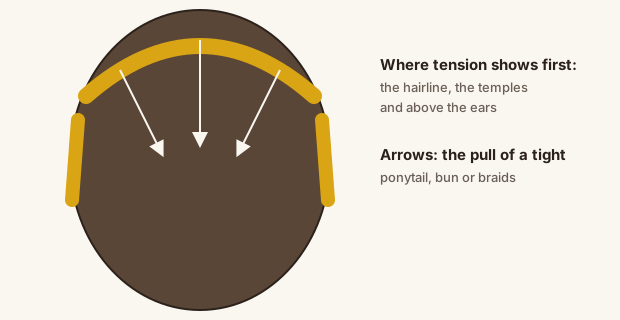
Early signs to watch for
If you wear a tight style under a hat, helmet or scarf most days, the AAD suggests checking each month for early signs. 3 Your hairline is one of the first places traction alopecia shows. 3 Watch for:
- small bumps or soreness where the hair is pulled;
- a style that feels painful, which the AAD says means it is too tight; 3
- broken hairs or thinning along the hairline or temples;
- patches of hair loss where the hair is pulled most. 3
Caught early, this kind of loss can recover once the pulling stops. Left too long, it can't. The AAD warns that when the follicles stop working, you see shiny bald skin, and at that stage the hair cannot grow back. 3
How to wear headwear without the risk
Dermatologists' advice is about the hair underneath, not about giving up hats. 3
- Loosen the style first. Avoid pulling hair back tightly before covering it. 3
- Switch styles regularly so the same follicles are not pulled every day. 3
- Use covered elastic bands made for hair, not plain rubber bands. 5
- Check the fit. A hat or helmet that leaves a deep mark or a sore line is rubbing the same place hard.
- Give your hair breaks from tight styling when you can. 3
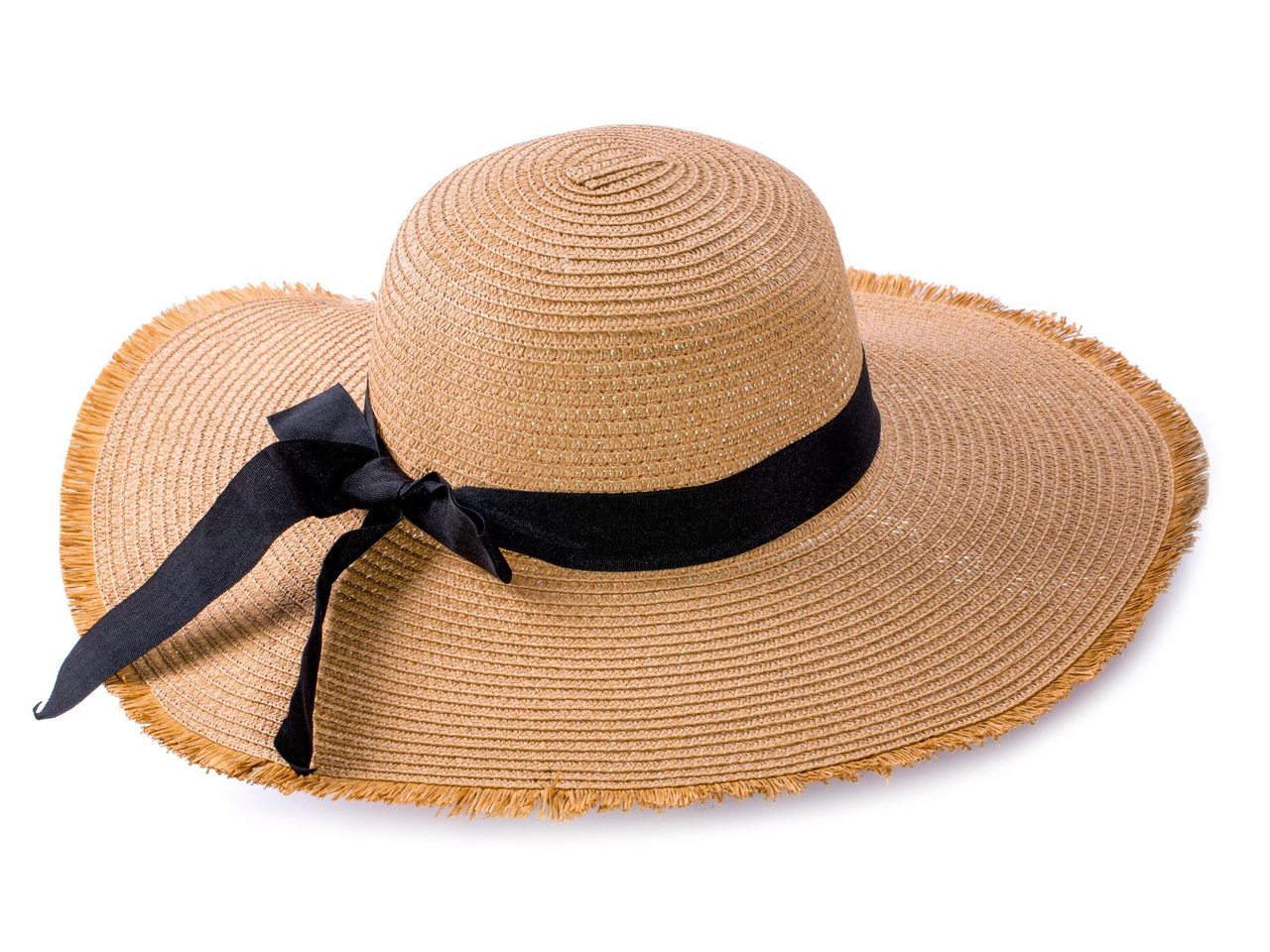
Hats can actually help the scalp
A loose hat has a real benefit. The scalp burns, especially where hair is thin. The American Academy of Dermatology suggests a wide-brimmed hat to protect the scalp from the sun. 6 5 It also suggests sunscreen with an SPF of 30 or higher on the scalp if your hair is thinning. 6 Mayo Clinic lists protecting hair from sunlight among its tips for avoiding preventable hair loss. 2
So for many people with thinning hair, a hat is part of looking after the scalp. Our guide to shaving your head covers scalp sun care in more detail.
Sweat, washing and clean hats
Hats trap heat and sweat. That does not cause hair loss, but a sweaty scalp can get oily or itchy. The American Academy of Dermatology says to wash based on how oily your scalp gets, and that flakes can come from washing too rarely. 7 Washing the hat itself now and then helps too.
If the scalp under a hat becomes red, scaly, sore or patchy, look beyond the hat. Mayo Clinic notes that spreading patches of scaling can be a sign of ringworm, a fungal infection that can cause hair loss. 2 That needs treatment, not a different cap.
When to get it checked
If your hairline is changing and you are not sure why, the cap is rarely the answer. Pattern hair loss, shedding after an illness and traction from tight styles are far more common explanations. 2 1 A doctor or dermatologist can tell which one applies. Our guide to hair loss at the temples covers the patterns at the front.

- American Academy of Dermatology, “Hair loss: Who gets and causes”. aad.org/public/diseases/hair-loss/causes/18-causes
- Mayo Clinic, “Hair loss - Symptoms and causes”. mayoclinic.org/diseases-conditions/hair-loss/symptoms-causes/syc-2037292
- American Academy of Dermatology, “Hairstyles that pull can lead to hair loss”. aad.org/public/diseases/hair-loss/causes/hairstyles
- DermNet, “Traction alopecia”. dermnetnz.org/topics/traction-alopecia
- American Academy of Dermatology, “How to stop damaging your hair”. aad.org/public/diseases/hair-loss/insider/stop-damage
- American Academy of Dermatology, “How to treat dandruff”. aad.org/public/everyday-care/hair-scalp-care/scalp/treat-dandruff
- American Academy of Dermatology, “Tips for healthy hair”. aad.org/public/everyday-care/hair-scalp-care/hair/healthy-hair-tips
- American Academy of Dermatology, “Hair loss: Signs and symptoms”. aad.org/public/diseases/hair-loss/insider/begin
General information, not medical advice. This article was drafted with AI assistance and checked against the sources listed above. Nobody at Balds is a doctor. If something here is wrong or out of date, tell us.