Balding or thinning hair on the scalp increases the risk of sunburn. 1 The American Academy of Dermatology says to either apply sunscreen to the scalp or wear a wide-brimmed hat. 2 For a bare head, it advises a broad-spectrum, water-resistant sunscreen with SPF 30 or higher, reapplied every two hours and after sweating or getting wet. 1
Hair does a quiet job most people never notice. It shades the scalp. When it thins or goes, that skin meets the sun directly. The American Academy of Dermatology (AAD) says balding or thinning hair on the scalp increases your risk of sunburn. 1
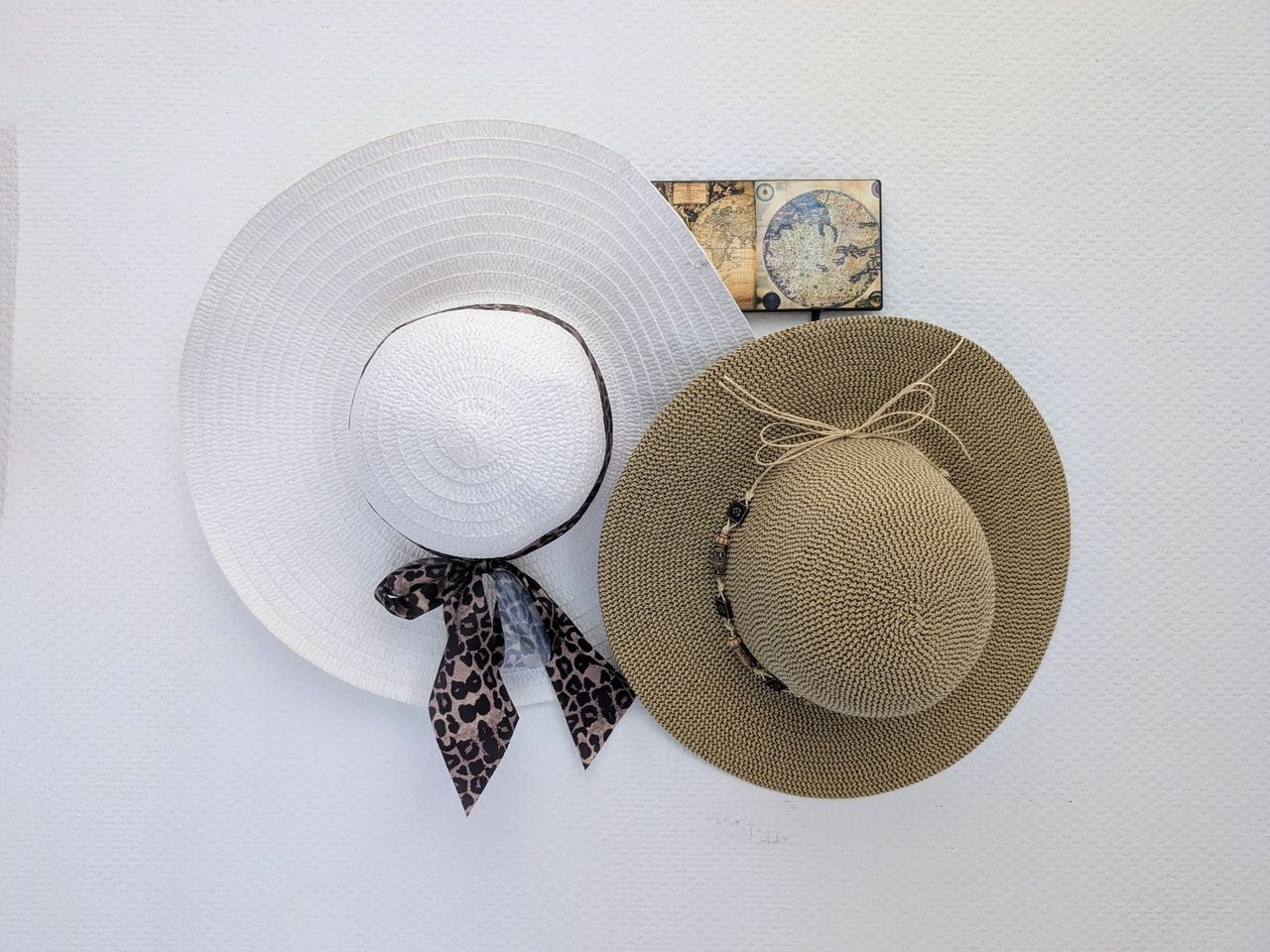
There are two simple ways to deal with it. For thinning hair, the AAD says to either apply sunscreen to your scalp or wear a wide-brimmed hat. 2 This guide covers both. It also covers which sunscreen forms are easiest around hair, how much to use and how often, and how to keep an eye on the skin up there.
Why a thinning scalp burns
The scalp is skin like any other. With a full head of hair, most of it stays shaded. As hair thins, more of that skin is left bare.
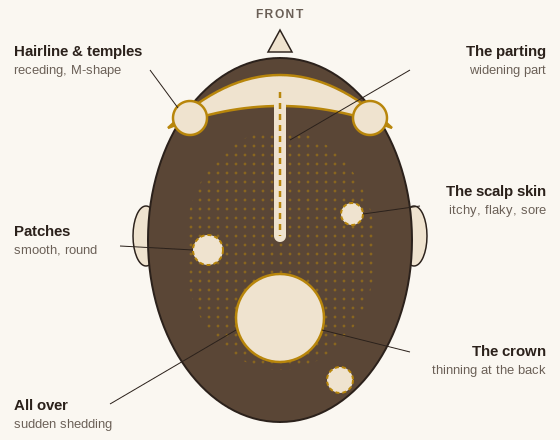
Pattern hair loss tends to follow a shape. Mayo Clinic says that in men, hair often begins to recede at the hairline on the forehead. 3 Women typically have a broadening of the part, according to Mayo Clinic. 3 It also describes thinning along the crown of the scalp in women. 3 Those are the areas to keep in mind.
Sun exposure is not only a summer issue. The AAD says your skin is exposed to the sun's harmful UV rays every time you go outside, even on cloudy days and in the winter. 2 It also says dermatologists recommend that everyone protect their skin from the sun, regardless of skin tone. 1
Some scalp products add to the risk. The AAD says some dandruff shampoos, such as those containing coal tar, can make your scalp more sensitive to UV rays. 4 It adds that a sunburn on your scalp can also increase flaking. 4
Hat or sunscreen: two ways to cover it
The AAD offers these as alternatives, not a ranking. Its alopecia areata advice also adds a wig as an option when outdoors. 1
| Option | What the sources say |
|---|---|
| Wide-brimmed hat | An alternative to scalp sunscreen if you have thinning hair. 2 |
| Wig | Dermatologists list a wide-brimmed hat or wig when outdoors for people with alopecia areata. 1 |
| Shade and sun-protective clothing | Part of the AAD's advice for protecting the scalp from the sun. 4 |
| Sunscreen on the scalp | If you don't cover your head: SPF 30 or higher, broad-spectrum and water resistant. 1 |
A hat means nothing to reapply. Sunscreen suits days when a hat is awkward. Some days call for one, some for the other.
If you have heard that hats cause hair loss, see our guide on whether wearing a hat causes hair loss. For wigs and toppers, our guide to wigs and hairpieces covers choosing and caring for them.
Head coverings can do a second job in winter. The AAD says hair loss on your scalp can make you extremely sensitive to the cold. 1 It suggests hats and scarves, and says wearing a wig can also help. 1
Which sunscreen to choose
The AAD's checklist is short. It advises a sunscreen with an SPF of 30 or higher that is water resistant and broad-spectrum. 2 Broad-spectrum means it covers both UVA and UVB rays. 2
The AAD also says a tinted version with iron oxide better protects your skin from developing dark spots. 2 Iron oxide protects against the sun's visible light, it notes. 2
If your scalp is sensitive, ingredients matter too. For people with alopecia areata, dermatologists recommend avoiding products with harsh chemicals, including those with fragrance or alcohol. 1 The AAD suggests looking for fragrance-free products. 1
Spray, powder or lotion
Getting sunscreen onto skin between hairs is the fiddly part. This is where the form of sunscreen comes in.
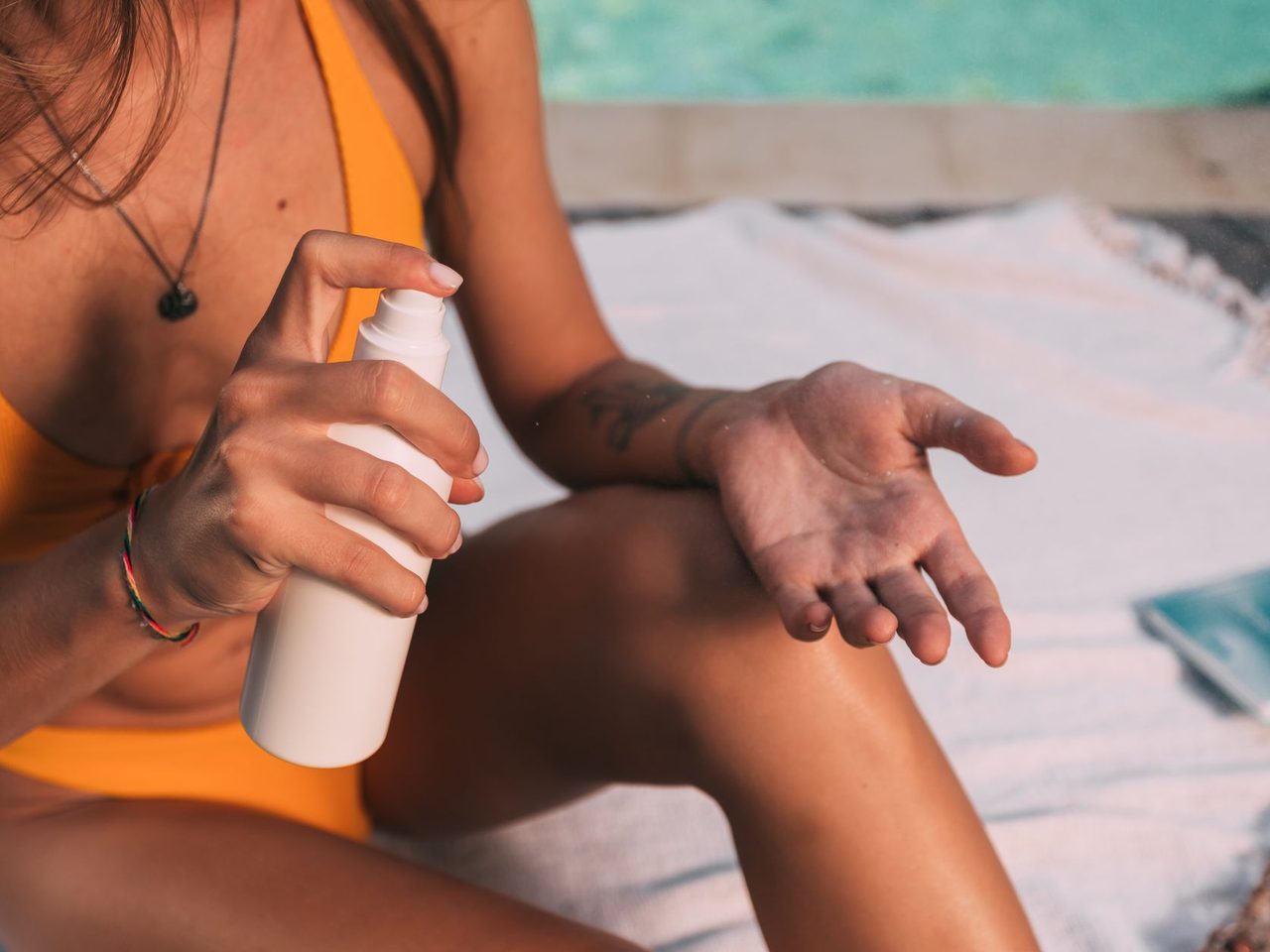
- Spray. With patchy hair loss, the AAD says a spray sunscreen may be easiest to apply. 1
- Powder. The AAD suggests trying powder or spray sunscreen for easier application to the scalp. 4
- Lotion or cream. For bald areas, the AAD says a lotion or cream often works best. 1 Rub it thoroughly into the skin. 2
So the shape of your hair loss can guide the choice. Thinning, patchy and fully bald skin may each suit a different form. 4 1
The hair you still have can use protection too. Mayo Clinic lists protecting your hair from sunlight among tips that may help you avoid preventable types of hair loss. 3 The AAD suggests a leave-in conditioner that contains zinc oxide, or a wide-brimmed hat, to protect hair in the sun. 5
If you shave your head, the whole scalp is bare. Our guide on how to shave your head and look after the scalp covers the shaving side.

How much, when and how often
Timing matters too. The AAD says to apply sunscreen before going outdoors. 2 It takes approximately 15 minutes for your skin to absorb the sunscreen and protect you, according to the AAD. 2 If you wait until you are in the sun, your skin is unprotected and can burn. 2
At a minimum, most adults need about 1 ounce of sunscreen to fully cover skin not covered by clothing, the AAD says. 2 That is roughly the amount to fill a shot glass. 2 For the face, it says to use at least 1 teaspoon. 2 A bare, thinning scalp is part of the skin the AAD says to cover. 2
A quick routine for outdoor days:
- Put it on before you head out. 2
- Pay close attention to areas with hair loss. 1
- Remember your ears, neck and face. 2
- Reapply every two hours, and right after swimming or sweating. 2
- Reapply any time your head gets wet. 1
- Use a lip balm with an SPF of at least 30. 2
Reapplying is easy to forget. The AAD says people who get sunburned usually didn't reapply, used too little sunscreen, or used an expired sunscreen. 2 Check the date on the bottle now and then.
Checking the skin on your scalp
A thinning scalp is easy to overlook because you rarely see it. Hold a hand mirror behind your head while facing a wall mirror. That lets you see the crown. A phone photo works too. Looking now and then makes new changes easier to spot.
Some changes are worth knowing about. Mayo Clinic says patches of scaling that spread over the scalp are a sign of ringworm. 3 It may come with broken hair, redness, swelling and, at times, oozing. 3 Our guide to scalp ringworm explains more.
With circular or patchy bald spots, Mayo Clinic says your skin may become itchy or painful before the hair falls out. 3 Our guide to alopecia areata explains that pattern.
Flaking can have more than one cause. A burned scalp can flake more, as noted above. 4 If dandruff doesn't go away with home care, or becomes severe, the AAD suggests seeing a board-certified dermatologist. 4
When to get help
If you feel you have developed sun-damaged skin, the AAD says a dermatologist can examine your skin and make recommendations. 2 Mayo Clinic advises talking to your doctor if you notice sudden or patchy hair loss. 3 It says sudden hair loss can signal an underlying medical condition that requires treatment. 3 For people with alopecia areata, a dermatologist can also help select products for sensitive skin. 1
Our guide on seeing a dermatologist about hair loss covers what happens and what to bring.
The short version
Less hair on the scalp means a higher risk of sunburn there. 1 A wide-brimmed hat is one answer, and scalp sunscreen is the other. 2 Pick a form that suits your scalp, whether thinning, patchy or bald. 4 1 Put it on before going out, and reapply every two hours and after swimming or sweating. 2
None of this is about hiding hair loss. Mayo Clinic notes that some people prefer to let their hair loss run its course untreated and unhidden. 3 A bare head is a perfectly good head. It just needs looking after in the sun, like your nose and shoulders.
- American Academy of Dermatology, “Hair loss types: Alopecia areata self-care”. aad.org/public/diseases/hair-loss/types/alopecia/self-care
- American Academy of Dermatology, “How to apply sunscreen”. aad.org/public/everyday-care/sun-protection/shade-clothing-sunscreen/how
- Mayo Clinic, “Hair loss - Symptoms and causes”. mayoclinic.org/diseases-conditions/hair-loss/symptoms-causes/syc-2037292
- American Academy of Dermatology, “How to treat dandruff”. aad.org/public/everyday-care/hair-scalp-care/scalp/treat-dandruff
- American Academy of Dermatology, “How to stop damaging your hair”. aad.org/public/diseases/hair-loss/insider/stop-damage
- American Academy of Dermatology, “Hair loss: Signs and symptoms”. aad.org/public/diseases/hair-loss/insider/begin
General information, not medical advice. This article was drafted with AI assistance and checked against the sources listed above. Nobody at Balds is a doctor. If something here is wrong or out of date, tell us.