Dandruff and dry scalp both cause flaking and itching, but they come from different processes. Dry scalp flakes tend to be small, white, and dry-feeling, often alongside dry skin elsewhere on the body. Dandruff flakes are usually larger, yellowish, and oilier, and they’re linked to a common scalp condition rather than simple dehydration. Both are generally harmless to hair itself, though a scalp that’s constantly irritated or scratched can make shedding more noticeable.
The basic difference
Dry scalp happens when the skin on your head doesn’t hold enough moisture, similar to dry skin on your hands or shins. It can be triggered by cold weather, harsh shampoos, over-washing, or indoor heating that strips moisture from the air. Dandruff, on the other hand, is usually associated with a condition called seborrheic dermatitis, which involves overactive oil glands and a naturally occurring skin yeast that most people carry without any issue. When that balance shifts, it can lead to visible flaking, redness, and itch. The two conditions can look similar at a glance, which is why people mix them up, but the underlying skin environment is quite different — one is generally too dry, the other generally too oily.
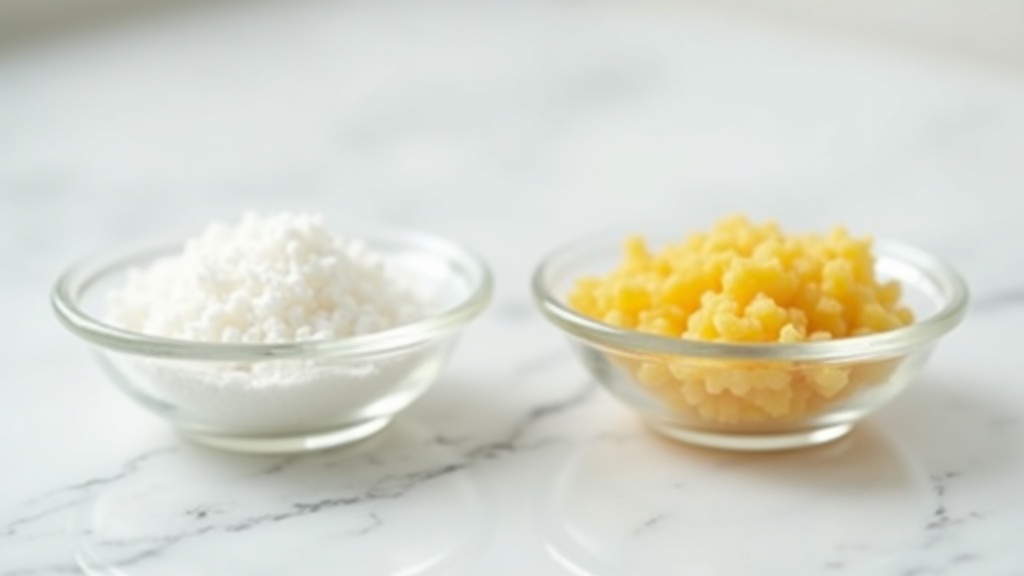
What dandruff usually looks and feels like
Dandruff flakes are often larger and can appear yellowish or slightly greasy rather than powdery. The scalp underneath may look red or feel oily to the touch, even soon after washing. Itching is common, and some people notice flaking extend beyond the scalp to the eyebrows, sides of the nose, or behind the ears, since seborrheic dermatitis can affect other oil-gland-rich areas of skin. Flakes may cling to hair strands rather than falling away easily, and symptoms can flare with stress, seasonal changes, or periods of less frequent washing.
What dry scalp usually looks and feels like
Dry scalp flakes tend to be smaller, drier, and whiter, closer in texture to dust than to oily debris. They often shake loose easily and don’t cling as much to the hair. The scalp itself may feel tight or itchy rather than oily, and dryness is often accompanied by dry patches elsewhere on the body, particularly in colder months. People who wash their hair very frequently, use strong clarifying shampoos, or live in dry climates are more likely to notice this pattern. Unlike dandruff, dry scalp isn’t linked to excess oil production — if anything, the scalp may feel under-moisturised rather than greasy.
A quick side-by-side comparison
| Feature | Dandruff | Dry scalp |
|---|---|---|
| Flake appearance | Larger, yellowish, oily | Small, white, dry |
| Scalp feel | Often oily or greasy | Tight or dehydrated |
| Itching | Common, can be persistent | Common, often mild |
| Redness | More frequent | Less common |
| Other areas affected | Eyebrows, nose, ears possible | Usually scalp only |
| Linked to | Oil glands, skin yeast | Dehydration, weather, harsh products |
Why the distinction matters
Getting this right matters mainly because the two conditions call for different kinds of scalp care, and treating one as if it were the other can make symptoms worse — for example, using a stripping anti-dandruff shampoo on a scalp that’s actually just dehydrated can leave it drier still. Neither dandruff nor dry scalp is generally understood to directly cause hair loss, but ongoing scratching, irritation, or inflammation can make shedding more visible day to day. If you’re already tracking how much hair you’re losing and wondering what counts as typical, it can help to read about how much hair loss a day is considered normal so you have a baseline before assuming a scalp condition is the cause.
When flaking and shedding show up together
It’s common to notice flaking and shedding at the same time and assume one is causing the other, but they often have separate explanations. Shedding can be driven by stress, illness, hormonal shifts, or genetics rather than by scalp flaking itself. If you’re dealing with a period of sudden, diffuse hair loss, it may be worth reading about why sudden shedding happens or whether stress can cause hair loss, since these are separate processes from dandruff or dryness. The broader causes and triggers section covers other factors that can affect shedding independently of scalp condition, and the types of hair loss hub is a useful starting point if you’re trying to work out which category your situation fits into.
It’s also worth remembering that a flaky or itchy scalp is not the same thing as patchy or scarring hair loss. Conditions that cause patches of hair loss, such as those covered on the page about alopecia areata and patchy hair loss, look and behave differently from ordinary dandruff or dryness, and they’re worth having assessed separately rather than assumed.
What generally helps, without promising results
For dry scalp, gentler washing routines, fewer harsh clarifying products, and giving the scalp a chance to retain natural oils are commonly discussed approaches, though how any individual scalp responds isn’t something a website can predict. For dandruff, over-the-counter shampoos formulated for the condition are widely available and are intended to reduce flaking and manage the underlying yeast and oil balance, but effectiveness varies from person to person and isn’t guaranteed by any single product. If flaking is persistent, painful, or doesn’t improve with basic changes, that’s a conversation worth having with a pharmacist or doctor rather than something to keep testing products against indefinitely.
When to see a doctor instead of reading further
Most flaking and mild itching is not a medical emergency, but certain signs are worth having looked at rather than managed at home. A scalp that becomes painful, scaly in a way that doesn’t shift, scarred, or shiny should be assessed by a doctor, as should any hair loss that appears suddenly or in distinct patches, or that comes with other unexplained symptoms. Scarring types of scalp and hair conditions can cause permanent follicle damage, so waiting to see if things settle on their own carries a real cost. The same applies to hair loss in a child, which should always be looked at by a doctor rather than managed with home remedies.
Frequently asked questions about dandruff vs dry scalp
How can I tell if it’s dandruff or just a dry scalp?
Look at the flakes and how the scalp feels. Dandruff flakes are usually larger, yellowish, and oily, with a scalp that feels greasy; dry scalp flakes are smaller, white, and dry, often with a tight or itchy feeling rather than oiliness.
Can dandruff cause hair loss?
Dandruff itself isn’t generally understood to directly cause hair loss, but ongoing scratching or scalp irritation can make normal shedding more noticeable. If hair loss seems excessive or patchy, that’s worth looking into separately rather than assuming dandruff is the reason.
Why does my scalp itch but not flake?
Itching without visible flaking can come from dryness that hasn’t progressed to flaking yet, product buildup, or general skin sensitivity. If itching is persistent, spreads, or comes with redness or pain, it’s worth having a pharmacist or doctor take a look.
Does washing hair less help dry scalp or dandruff?
Washing frequency affects the two differently — over-washing can worsen dry scalp by stripping natural oils, while under-washing can sometimes allow oil and yeast to build up in ways linked to dandruff. There’s no single washing rule that suits everyone.
When should I see a doctor about scalp flaking?
See a doctor if flaking comes with pain, scarring, shiny patches, sudden or patchy hair loss, or other unexplained symptoms. Ordinary mild flaking usually doesn’t need urgent attention, but persistent or worsening symptoms are worth having assessed rather than self-managed indefinitely.
Balds publishes general educational information about hair loss, not medical advice. We are writers, not doctors or dermatologists. If your hair loss is sudden, patchy, painful, or comes with other unexplained symptoms, see a doctor or a dermatologist — some forms of hair loss can become permanent without early assessment.