Yes, thyroid problems can cause hair loss. The NHS lists dry hair or hair loss among the symptoms of an underactive thyroid, and DermNet lists both underactive and overactive thyroid as triggers for shedding. 1 2 The AAD says some people notice hair coming out in clumps when they brush. 3 A blood test is the only way to know for sure. 4
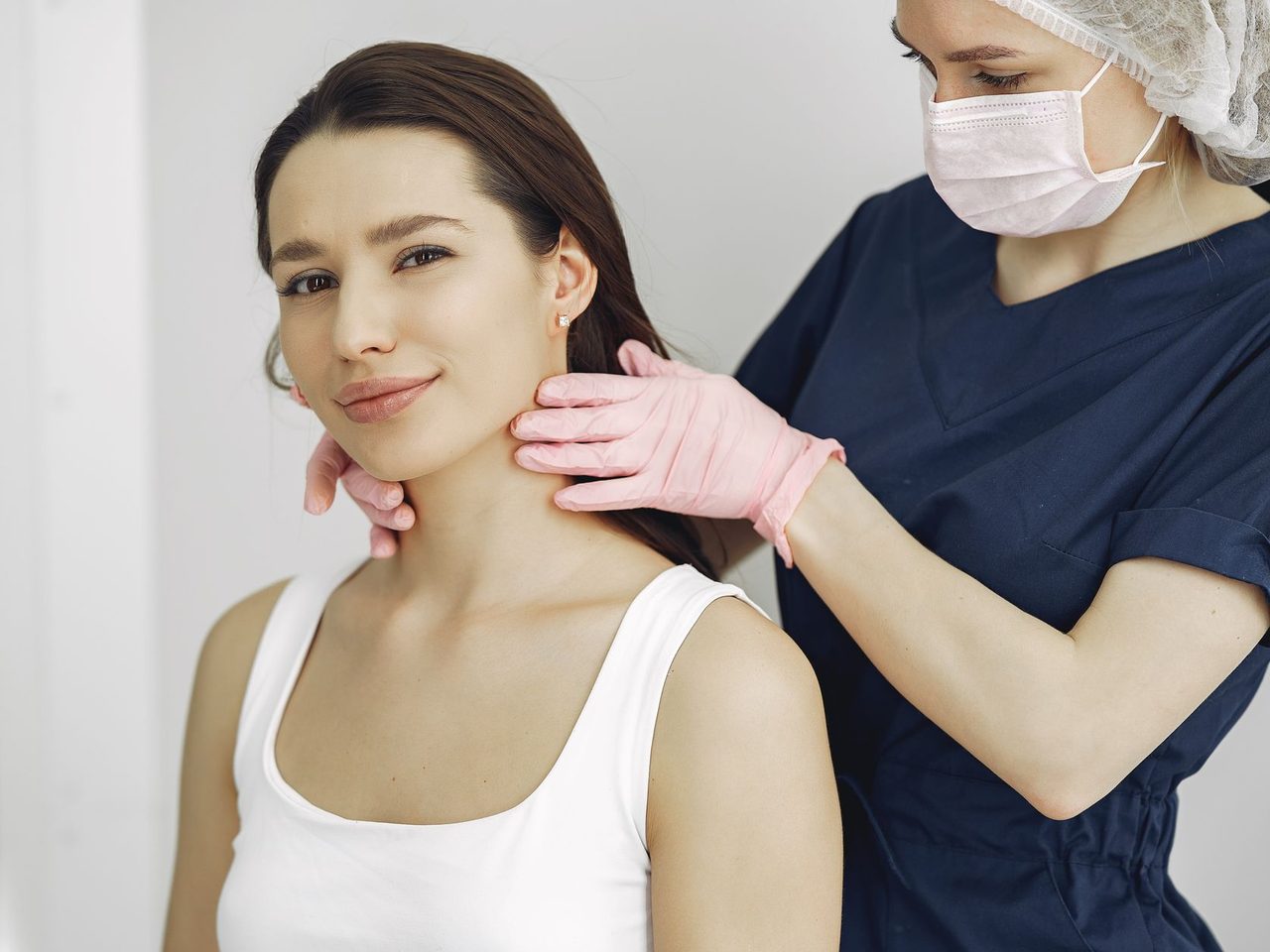
The thyroid is a small gland in the front of the neck. It makes hormones that control how the body uses energy, and those hormones affect nearly every organ. 5 Hair follicles are among the things they affect.
When the thyroid makes too little or too much hormone, hair can thin. This guide covers how to recognize a thyroid cause and what to do about it.
How the thyroid affects hair
DermNet lists endocrine disorders, including both hypothyroidism and hyperthyroidism, among the triggers of telogen effluvium. 2 That is the heavy, all-over shedding that happens when many hairs switch into the resting phase at once. 2 The American Academy of Dermatology says a thyroid problem can cause thinning hair, and some people notice their hair comes out in clumps when they brush it. 3
The NHS includes dry skin, dry hair or hair loss among the symptoms of an underactive thyroid. 1 So thyroid-related hair changes can affect the quality of the hair as well as how much of it there is.
Other symptoms that point to the thyroid
Hair loss on its own rarely points to the thyroid. It is the combination with other symptoms that matters. MedlinePlus lists weight gain or muscle weakness, intolerance to cold, and fatigue among the reasons to see a provider about hair loss. 6
| Underactive thyroid (hypothyroidism) | Overactive thyroid (hyperthyroidism) |
|---|---|
| Dry skin, dry hair or hair loss 1 | A racing or irregular heartbeat 7 |
| Tiredness and weight gain, often developing slowly 1 | A swelling in the neck (goiter) 8 |
| Weight gain, muscle weakness 6 | Eye problems such as redness or dryness 8 |
The American Thyroid Association notes that not everyone has all the symptoms, and other health problems can cause them too. 4 That is why testing matters.
Who is more likely to have a thyroid problem
The American Thyroid Association says autoimmune thyroid disease, where the body attacks the thyroid by mistake, is more common in women. 4 Graves' disease, the most common cause of an overactive thyroid, tends to happen more often in younger women and can run in families. 7 MedlinePlus lists having been pregnant or having had a baby in the past 6 months as a risk factor for an overactive thyroid. 9
The NHS says the most common cause of an underactive thyroid in the UK is Hashimoto's disease, an autoimmune condition. It is most common in women and usually starts between the ages of 30 and 50. 1 Symptoms usually develop slowly and get worse over time, and they may be mild and hard to notice. 1 A thinning ponytail can be one of the first things people do notice.
That last point is worth noting, because heavy shedding after a birth is usually ordinary postpartum shedding. 10 If it comes with a racing heart, weight loss or other symptoms, ask for a thyroid check. Our guide to postpartum hair loss covers the normal timeline.
The tests
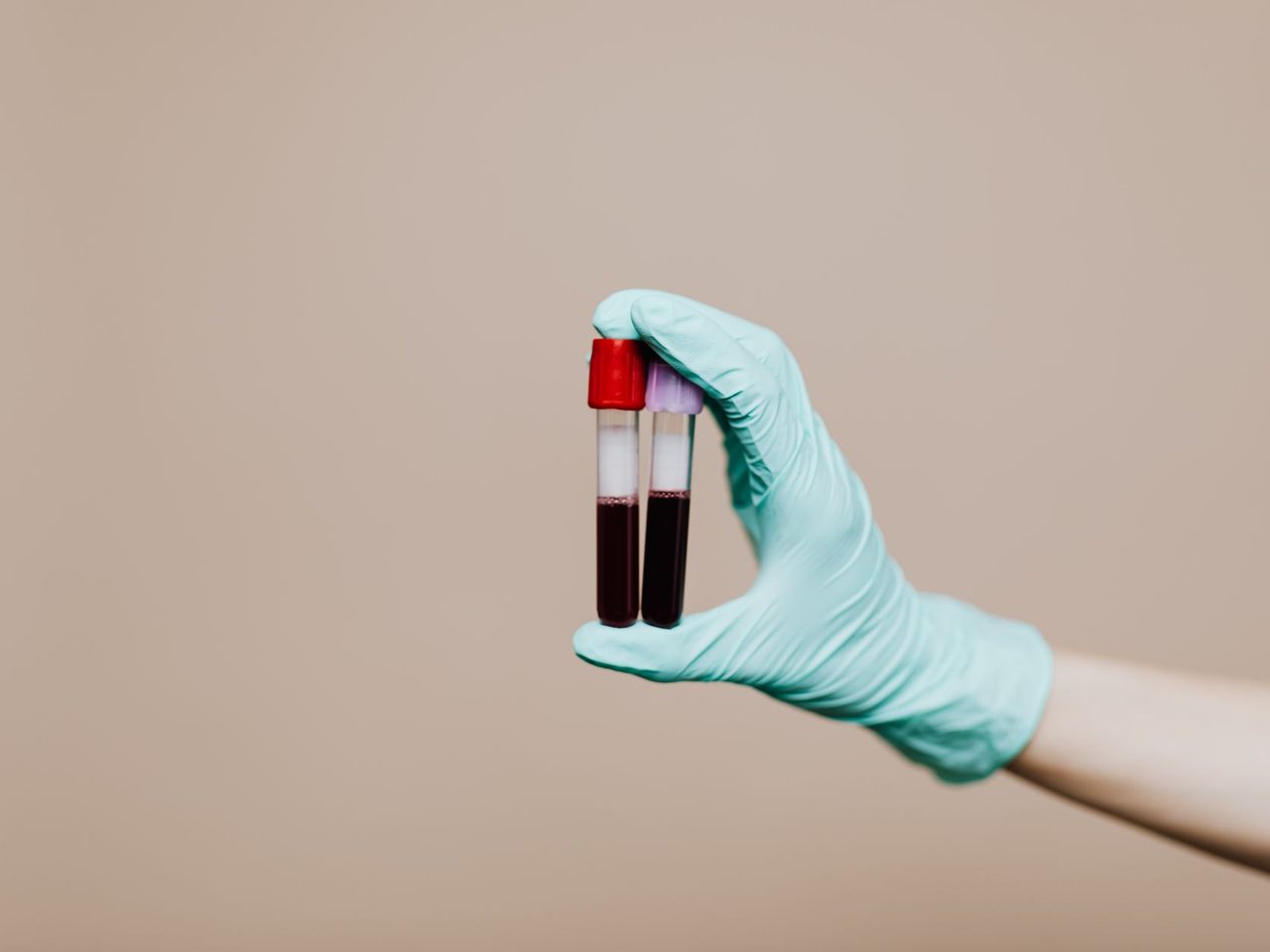
The American Thyroid Association says a blood test is the only way to know for sure. 4 For an underactive thyroid, doctors use two main tests: TSH, a hormone from the pituitary gland that rises when the thyroid is underactive, and free T4, the thyroid hormone the body can use. 4
Thyroid tests are a routine part of a hair loss workup. DermNet lists thyroid function among the usual blood tests for hair loss. 11 When the cause of drug-related or unexplained diffuse hair loss is unclear, DermNet says it is usual to check thyroid function along with a blood count and iron. 12
Other thyroid links
- Alopecia areata. DermNet notes that other autoimmune conditions, including thyroid disease, are seen more often in people with alopecia areata. 13 Patchy loss plus thyroid symptoms is worth mentioning together.
- Thyroid medicines. DermNet lists antithyroid drugs among medicines that can cause shedding. 12 Don't stop or change a dose without your doctor. 3
- Scarring loss at the crown. The AAD notes that CCCA, a scarring hair loss at the center of the scalp, is occasionally a sign of a thyroid condition. 14
What happens to hair after treatment
DermNet's advice for shedding is to correct any problem with thyroid function. 2 Once the trigger is dealt with, regrowth usually follows. 2 It is slow, because the hair cycle is slow. Shedding after a trigger usually settles over several months. 15
If hair stays thin once your thyroid levels are steady, look for another cause, such as pattern hair loss, which is common and can run alongside a thyroid problem. 2 Our guide to diffuse thinning in women covers how doctors tell the causes apart.
Looking after your hair while levels settle
Hair that is dry or shedding breaks easily. The American Academy of Dermatology suggests a gentle shampoo, conditioner after every wash, the lowest heat setting and no tight styles. 16 Handle it gently and avoid vigorous brushing while it sheds, as DermNet advises for any shedding. 2 Check with your doctor before taking hair supplements, especially biotin: the NIH Office of Dietary Supplements says it can interfere with lab tests for hormones such as thyroid hormone, giving false results. 17

- NHS, “Underactive thyroid (hypothyroidism)”. nhs.uk/conditions/underactive-thyroid-hypothyroidism/
- DermNet, “Telogen effluvium (hair shedding)”. dermnetnz.org/topics/telogen-effluvium
- American Academy of Dermatology, “Hair loss: Who gets and causes”. aad.org/public/diseases/hair-loss/causes/18-causes
- American Thyroid Association, “Hypothyroidism”. thyroid.org/hypothyroidism/
- MedlinePlus (NIH), “Hypothyroidism | Hashimoto's Disease”. medlineplus.gov/hypothyroidism.html
- MedlinePlus (NIH), “Hair loss: MedlinePlus Medical Encyclopedia”. medlineplus.gov/ency/article/003246.htm
- American Thyroid Association, “Hyperthyroidism”. thyroid.org/hyperthyroidism/
- NHS, “Overactive thyroid (hyperthyroidism) - Symptoms”. nhs.uk/conditions/overactive-thyroid-hyperthyroidism/symptoms/
- MedlinePlus (NIH), “Hyperthyroidism | Graves' Disease | Overactive Thyroid”. medlineplus.gov/hyperthyroidism.html
- American Academy of Dermatology, “Hair loss in new moms: Dermatologist tips”. aad.org/public/diseases/hair-loss/insider/new-moms
- DermNet, “Hair loss, balding, hair shedding, alopecia”. dermnetnz.org/topics/hair-loss
- DermNet, “Alopecia from drugs”. dermnetnz.org/topics/alopecia-from-drugs
- DermNet, “Alopecia Areata: Causes, Diagnosis, and Treatment — DermNet”. dermnetnz.org/topics/alopecia-areata
- American Academy of Dermatology, “Hair loss types: Central centrifugal cicatricial alopecia overview”. aad.org/public/diseases/hair-loss/types/ccca
- American Academy of Dermatology, “Do you have hair loss or hair shedding?”. aad.org/public/diseases/hair-loss/insider/shedding
- American Academy of Dermatology, “Hair loss: Tips for managing”. aad.org/public/diseases/hair-loss/treatment/tips
- NIH Office of Dietary Supplements, “Biotin - Health Professional Fact Sheet”. ods.od.nih.gov/factsheets/Biotin-HealthProfessional/
- American Academy of Dermatology, “Hair loss: Signs and symptoms”. aad.org/public/diseases/hair-loss/insider/begin
- Mayo Clinic, “Hair loss - Symptoms and causes”. mayoclinic.org/diseases-conditions/hair-loss/symptoms-causes/syc-2037292
General information, not medical advice. This article was drafted with AI assistance and checked against the sources listed above. Nobody at Balds is a doctor. If something here is wrong or out of date, tell us.