Thinning all over the scalp in women usually comes from female pattern hair loss, shedding (telogen effluvium), or both. 1 2 Thyroid problems, low iron, crash diets and some medicines can also cause it. 3 4 5 A history, a scalp exam and blood tests usually separate them; sometimes a scalp biopsy is needed. 1 2
"Diffuse" means spread out. Instead of a bald patch or a receding hairline, the whole head of hair feels thinner. The ponytail is smaller, the scalp shows through in bright light, and more hair seems to come out in the shower.
That kind of thinning has several possible causes. They look similar at first, and they often overlap. This guide explains the main ones and how they are told apart.
The two most common causes
A review of female pattern hair loss says that when women come in with more shedding but little loss of volume on top, doctors consider two conditions in particular: female pattern hair loss and telogen effluvium. 1 DermNet says chronic telogen effluvium is often confused with female pattern hair loss, and that the two need different management. 2
| Female pattern hair loss | Telogen effluvium (shedding) | |
|---|---|---|
| Main change | Hairs grow finer over time; density falls over the top while the hairline stays 1 | More hairs than usual enter the resting phase and fall out, all over the scalp 6 |
| Where | Mostly the top and the part 7 | All over 8 |
| Trigger | Inherited; more common after menopause 9 | Often a stressor a few months earlier, such as illness, surgery or a birth 6 |
| Course | Progressive, in bursts and pauses 2 | Acute shedding usually settles; chronic shedding fluctuates but does not lead to balding 6 1 |
The two often come together. The review notes that pattern loss in women frequently shows itself first as extra shedding, before any loss of volume is visible. 1 So shedding does not rule pattern loss out.
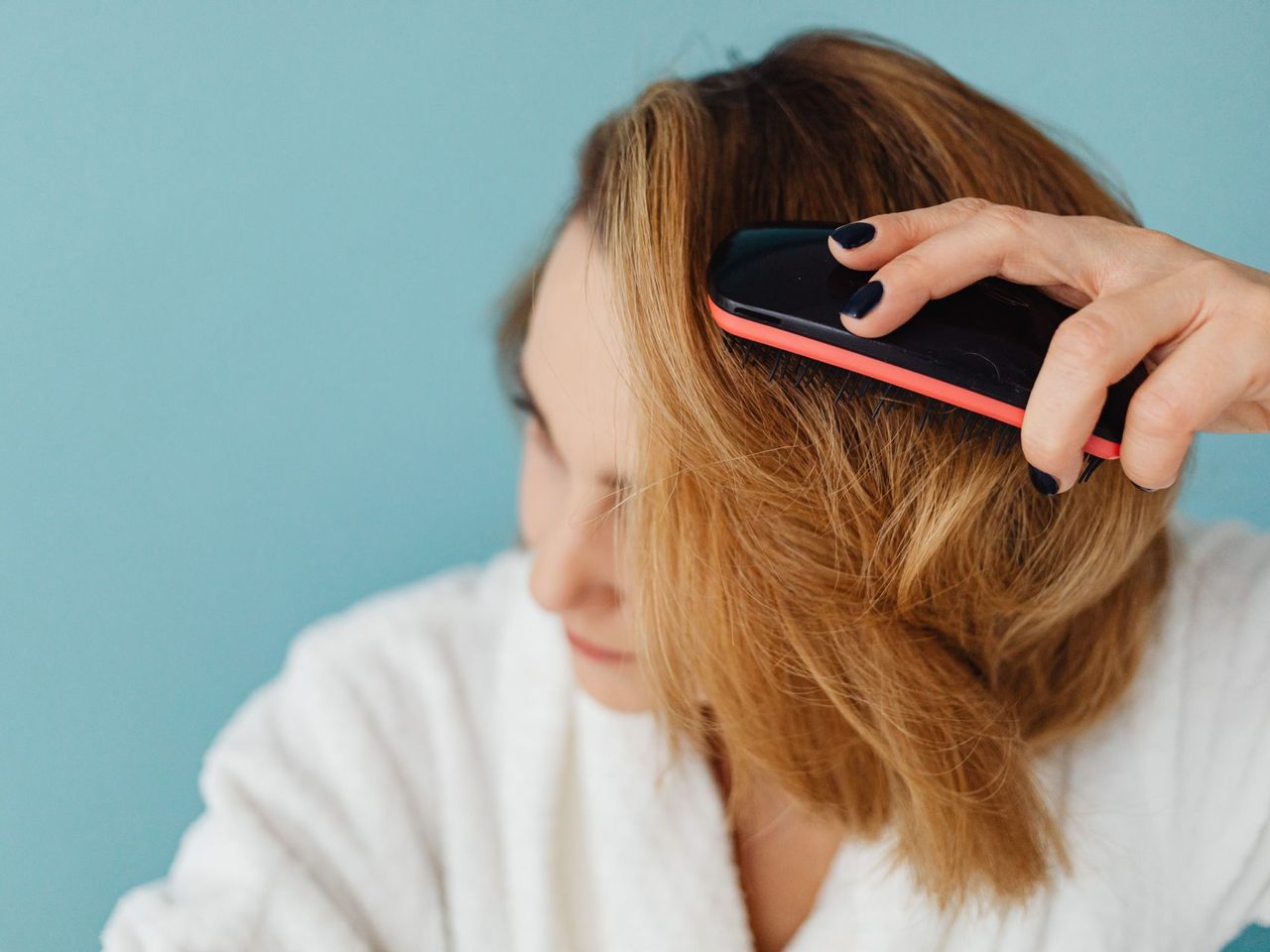
Chronic shedding with no obvious cause
Some shedding has no clear trigger. MedlinePlus says some women aged 30 to 60 notice thinning across the entire scalp, heavier at first and then slowing or stopping, with no known cause. 5 DermNet describes chronic telogen effluvium, where shedding can continue for years. 8
The distinction matters for the long term. The review says chronic telogen effluvium generally runs a fluctuating course but does not ultimately lead to balding. 1 Female pattern hair loss, without treatment, tends to progress. 2
Other causes worth ruling out
- Thyroid problems. The NHS lists dry hair or hair loss among symptoms of an underactive thyroid. 10 The AAD says a thyroid problem can cause thinning, and some people notice hair coming out in clumps when they brush. 3
- Low iron. The NHS lists hair loss, with more hair coming out when brushing or washing, as a symptom of iron deficiency anemia. 4
- Too little food or protein. MedlinePlus lists crash diets, especially those low in protein, as a cause of shedding. 5 The AAD says eating too few calories can cause significant hair loss. 11
- Medicines. MedlinePlus lists medicines including retinoids, birth control pills, beta-blockers, some antidepressants and NSAIDs. 5 DermNet says drug-related hair loss is usually reversible. 12 Never stop a medicine without talking to the prescriber. 3
- A recent birth or menopause. MedlinePlus says hair loss from menopause or childbirth often goes away after 6 months to 2 years. 5
- Too much of some supplements. The AAD says getting too much selenium, vitamin A or vitamin E has been linked to hair loss. 11
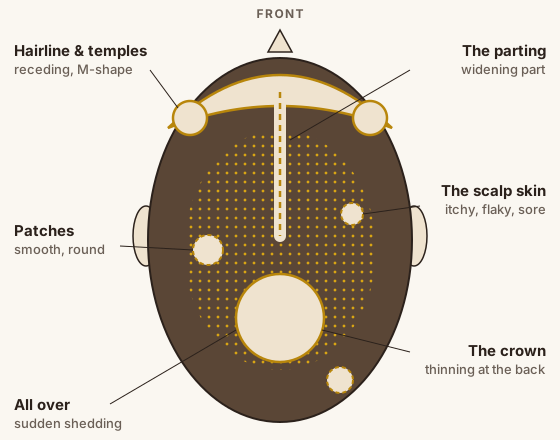
How a doctor tells them apart
Most of the answer comes from talking and looking. The review says the assessment should include a thorough history, including a detailed drug history, and an examination for signs of excess androgens. 1 MedlinePlus says a careful history and examination of the hair and scalp are usually enough. 5
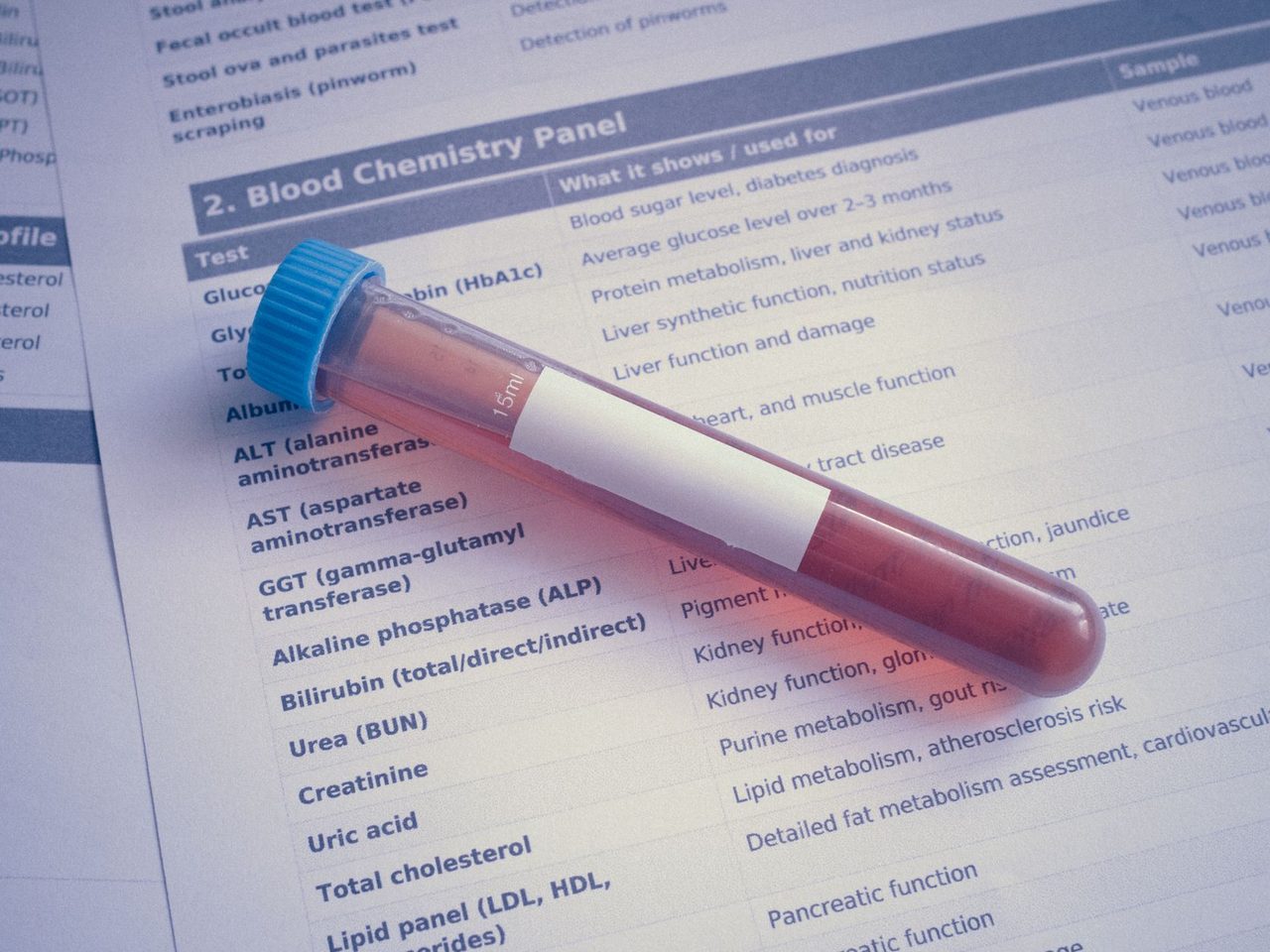
Blood tests help with the other causes. DermNet lists sex hormones and thyroid function as part of the workup. 2 An iron test is common too, given the NHS link between iron deficiency and hair loss. 4
When it is still unclear, a scalp biopsy can settle it. The review says a biopsy is the best way to distinguish chronic telogen effluvium from female pattern hair loss. 1
How to prepare for the appointment
- Write a timeline. When did you first notice it? What happened in the months before, such as illness, surgery, a birth, a diet or a new medicine? Shedding usually follows a trigger by a few months. 6
- List every medicine and supplement, including vitamins sold for hair.
- Bring photos of your part and your ponytail from a year or two ago, if you have them.
- Note other symptoms, such as tiredness, feeling cold, weight change, acne or irregular periods. MedlinePlus lists several of these as reasons to see a provider. 5
While you wait
Treat the hair gently. The AAD says thinning hair is fragile, and suggests a gentle shampoo, conditioner every time, less heat and no tight styles. 11 Hold off on hair supplements until your blood results are back. The AAD notes that supplements are not checked for safety and effectiveness before sale, and that too much of some nutrients can make loss worse. 11

- Dinh & Sinclair, Clin Interv Aging (PMC), “Female pattern hair loss: Current treatment concepts - PMC”. pmc.ncbi.nlm.nih.gov/articles/PMC2684510/
- DermNet, “Female pattern hair loss”. dermnetnz.org/topics/female-pattern-hair-loss
- American Academy of Dermatology, “Hair loss: Who gets and causes”. aad.org/public/diseases/hair-loss/causes/18-causes
- NHS, “Iron deficiency anaemia”. nhs.uk/conditions/iron-deficiency-anaemia/
- MedlinePlus (NIH), “Hair loss: MedlinePlus Medical Encyclopedia”. medlineplus.gov/ency/article/003246.htm
- American Academy of Dermatology, “Do you have hair loss or hair shedding?”. aad.org/public/diseases/hair-loss/insider/shedding
- MedlinePlus Genetics (NIH), “Androgenetic alopecia: MedlinePlus Genetics”. medlineplus.gov/genetics/condition/androgenetic-alopecia/
- DermNet, “Hair loss, balding, hair shedding, alopecia”. dermnetnz.org/topics/hair-loss
- American Academy of Dermatology, “Thinning hair and hair loss: Could it be female pattern hair loss?”. aad.org/public/diseases/hair-loss/types/female-pattern
- NHS, “Underactive thyroid (hypothyroidism)”. nhs.uk/conditions/underactive-thyroid-hypothyroidism/
- American Academy of Dermatology, “Hair loss: Tips for managing”. aad.org/public/diseases/hair-loss/treatment/tips
- DermNet, “Alopecia from drugs”. dermnetnz.org/topics/alopecia-from-drugs
- American Academy of Dermatology, “Hair loss: Signs and symptoms”. aad.org/public/diseases/hair-loss/insider/begin
- Mayo Clinic, “Hair loss - Symptoms and causes”. mayoclinic.org/diseases-conditions/hair-loss/symptoms-causes/syc-2037292
General information, not medical advice. This article was drafted with AI assistance and checked against the sources listed above. Nobody at Balds is a doctor. If something here is wrong or out of date, tell us.