Yes. Crash diets, especially those low in protein, can trigger heavy shedding, and the AAD says eating too few calories can cause significant hair loss. 1 2 Low iron is another cause: the NHS lists hair loss among the symptoms of iron deficiency anemia. 3 The reverse is true too. Too much selenium, vitamin A or vitamin E has been linked to hair loss, so test before you supplement. 2
Hair is not essential for survival, so when the body is short of food or nutrients, hair growth is one of the things it cuts back. That is the logic behind diet-related hair loss. It also explains why the fix is usually food and patience, not a jar of pills.
This guide covers the main dietary causes, the tests that check for them, and why supplements need care.
Crash diets and rapid weight loss
MedlinePlus lists crash diets, especially those that don't contain enough protein, as a cause of telogen effluvium, the heavy shedding that follows a shock to the body. 1 DermNet lists weight loss, unusual diets and nutritional deficiency among its triggers. 4 The American Academy of Dermatology says eating too few calories every day can cause significant hair loss. 2
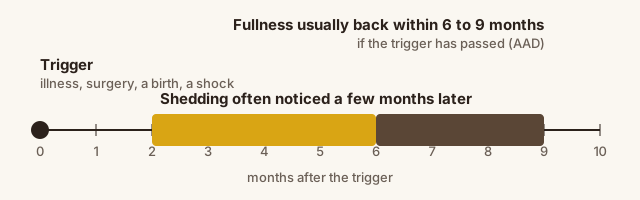
The timing follows the usual shedding pattern. Hair falls a few months after the diet started, which can be after the weight has already come off. 5 The AAD lists weight loss among things that can make you see a lot more hairs in the brush or the drain. 6
Recovery usually follows once eating returns to normal. DermNet advises a nutritious diet with plenty of protein, fruit and vegetables for anyone with shedding. 4
Protein
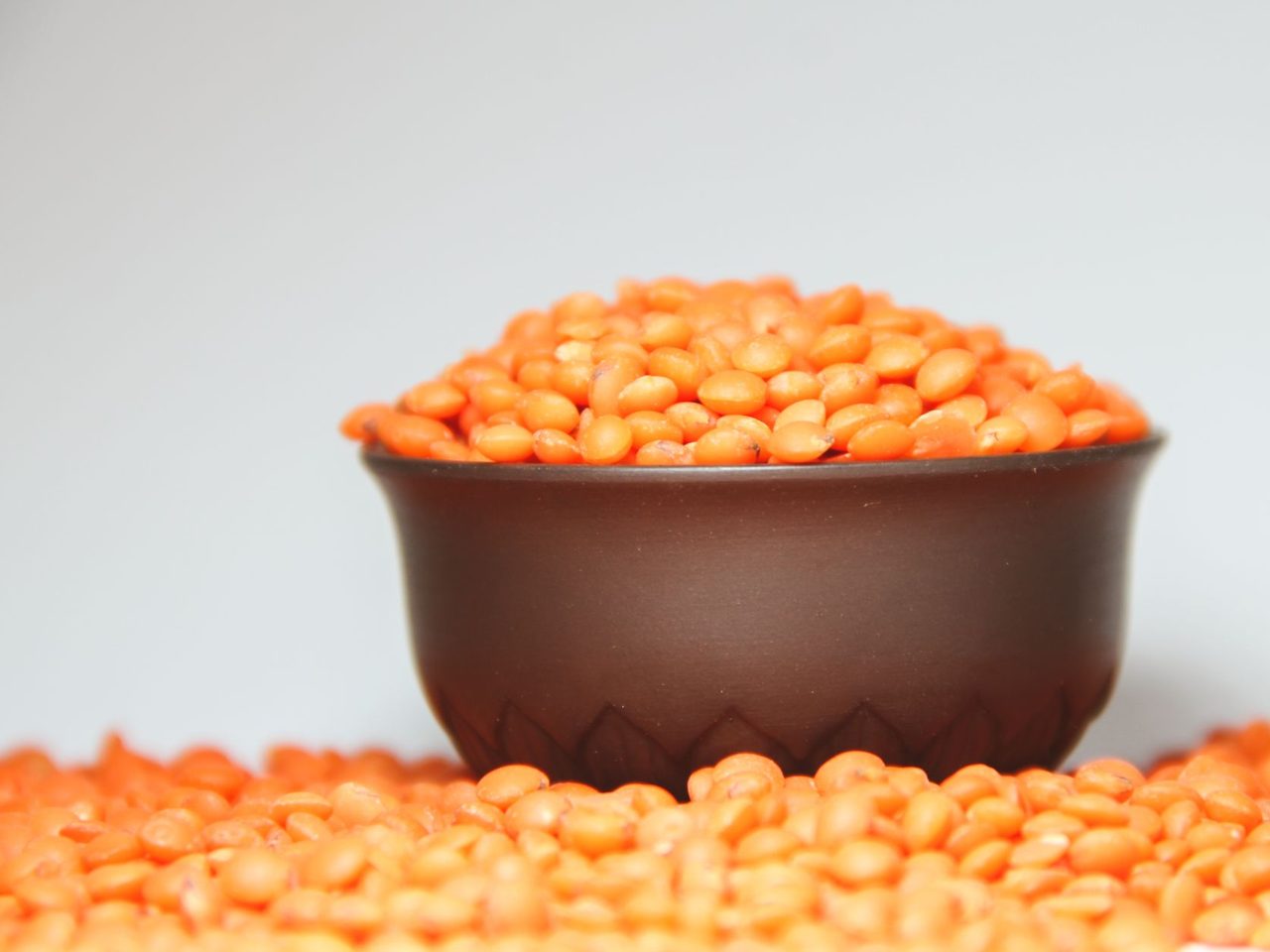
Hair is made mostly of a protein called keratin. 7 The AAD says that not getting enough of some nutrients, such as iron or protein, can lead to hair loss. 2 Very low-protein diets are the ones MedlinePlus singles out. 1 For most people eating a varied diet, protein is not the problem. It becomes one with crash dieting, restrictive eating or some illnesses.
Iron
Iron deficiency is the dietary cause doctors check most often. The NHS lists hair loss among the less common symptoms of iron deficiency anemia, describing it as more hair coming out when brushing or washing. 3 DermNet lists iron deficiency as a trigger for shedding and advises correcting low iron, vitamin B12 or folic acid if found. 4
Some people are more at risk. The NIH Office of Dietary Supplements says iron deficiency is not uncommon in the United States, especially in young children, women under 50 and pregnant women. 8 It can also happen in people who don't eat meat, poultry or seafood, people who lose blood, and people with gut conditions that affect absorption. 8 Mayo Clinic adds people with heavy periods. 9
| Who is more at risk of low iron | Source |
|---|---|
| Women under 50, and teen girls and women with heavy periods | 8 9 |
| Pregnant women | 8 |
| People who don't eat meat, poultry or seafood | 8 9 |
| People who lose blood, or have gut conditions that affect absorption | 8 |
The blood tests
Don't guess about iron. Mayo Clinic says not to try to diagnose or treat iron deficiency anemia on your own. 9 A blood test settles it.
- Full blood count. The NHS says a GP will usually start with a full blood count, which also checks for other types of anemia such as vitamin B12 or folate deficiency. 3
- Iron studies. To check iron levels, Mayo Clinic lists serum iron, total iron-binding capacity and serum ferritin, which reflects the body's iron stores. 9
- Thyroid function. DermNet says that when the cause of diffuse hair loss is unclear, it is usual to check a blood count, iron studies and thyroid function together. 10
If iron is low, the cause matters as much as the number. The NHS says a GP will look for the reason, such as heavy periods or an ulcer, before recommending treatment. 3
Getting iron from food
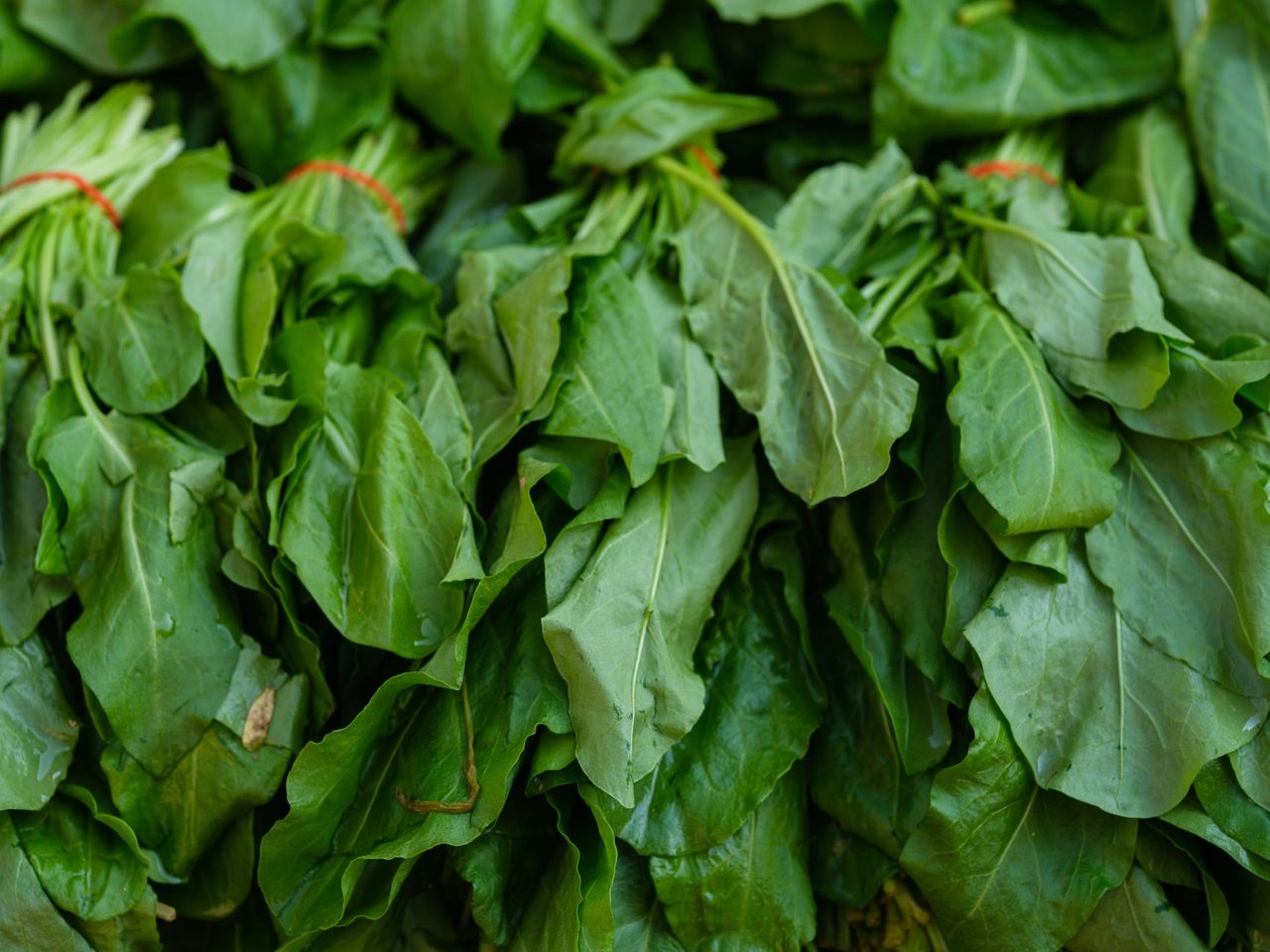
The Office of Dietary Supplements says food iron comes in two forms. Meat, seafood and poultry have both forms; plant foods and fortified foods have only the form called nonheme iron. 8 The body absorbs iron from plants better when it is eaten with meat, poultry, seafood or foods rich in vitamin C, such as citrus fruits, strawberries, sweet peppers, tomatoes and broccoli. 8
Vegetarians who don't eat meat, poultry or seafood need almost twice as much iron, because the body absorbs plant iron less well. 8
Supplements: test first
This is where well-meant efforts go wrong. The American Academy of Dermatology says to find out whether you are short of a nutrient before taking a supplement for hair. A blood test can tell you. 2 It warns that getting too much selenium, vitamin A or vitamin E has been linked to hair loss. 2
Iron itself can be harmful in excess. The Office of Dietary Supplements says high doses can cause stomach upset, nausea and constipation, and large amounts can cause more serious harm. 8 If a doctor prescribes iron, follow their advice on how to take it. 3
The AAD also notes that hair supplements are not regulated for safety and effectiveness before sale. That responsibility lies with the manufacturer. 2 Our guide to biotin and hair supplements looks at the most heavily marketed one.
- MedlinePlus (NIH), “Hair loss: MedlinePlus Medical Encyclopedia”. medlineplus.gov/ency/article/003246.htm
- American Academy of Dermatology, “Hair loss: Tips for managing”. aad.org/public/diseases/hair-loss/treatment/tips
- NHS, “Iron deficiency anaemia”. nhs.uk/conditions/iron-deficiency-anaemia/
- DermNet, “Telogen effluvium (hair shedding)”. dermnetnz.org/topics/telogen-effluvium
- American Academy of Dermatology, “Do you have hair loss or hair shedding?”. aad.org/public/diseases/hair-loss/insider/shedding
- American Academy of Dermatology, “What causes hair loss in women?”. aad.org/public/diseases/hair-loss/causes/women
- DermNet, “Hair loss, balding, hair shedding, alopecia”. dermnetnz.org/topics/hair-loss
- NIH Office of Dietary Supplements, “Iron - Consumer”. ods.od.nih.gov/factsheets/Iron-Consumer/
- Mayo Clinic, “Iron deficiency anemia - Symptoms & causes”. mayoclinic.org/diseases-conditions/iron-deficiency-anemia/symptoms-cause
- DermNet, “Alopecia from drugs”. dermnetnz.org/topics/alopecia-from-drugs
- American Academy of Dermatology, “Hair loss: Signs and symptoms”. aad.org/public/diseases/hair-loss/insider/begin
- Mayo Clinic, “Hair loss - Symptoms and causes”. mayoclinic.org/diseases-conditions/hair-loss/symptoms-causes/syc-2037292
General information, not medical advice. This article was drafted with AI assistance and checked against the sources listed above. Nobody at Balds is a doctor. If something here is wrong or out of date, tell us.