Trichotillomania is a type of obsessive-compulsive and related disorder in which people pull or twist their hair until it breaks off. 1 Some people pull on their hair, often to relieve stress, and may be unaware they are doing it. 2 MedlinePlus says behavioral therapy and habit reversal may be effective, and that treatment often improves the hair pulling. 1
Trichotillomania is hair loss from repeated urges to pull or twist the hair until it breaks off. 1 People with it are unable to stop, even as their hair becomes thinner. 1 The Mayo Clinic lists this hair-pulling disorder among the medical conditions that can cause hair loss. 3
This guide covers what the condition is and how it shows on the scalp. It also covers how stress fits in and what treatment involves. And it explains how it differs from alopecia areata, another cause of patchy hair loss. 3
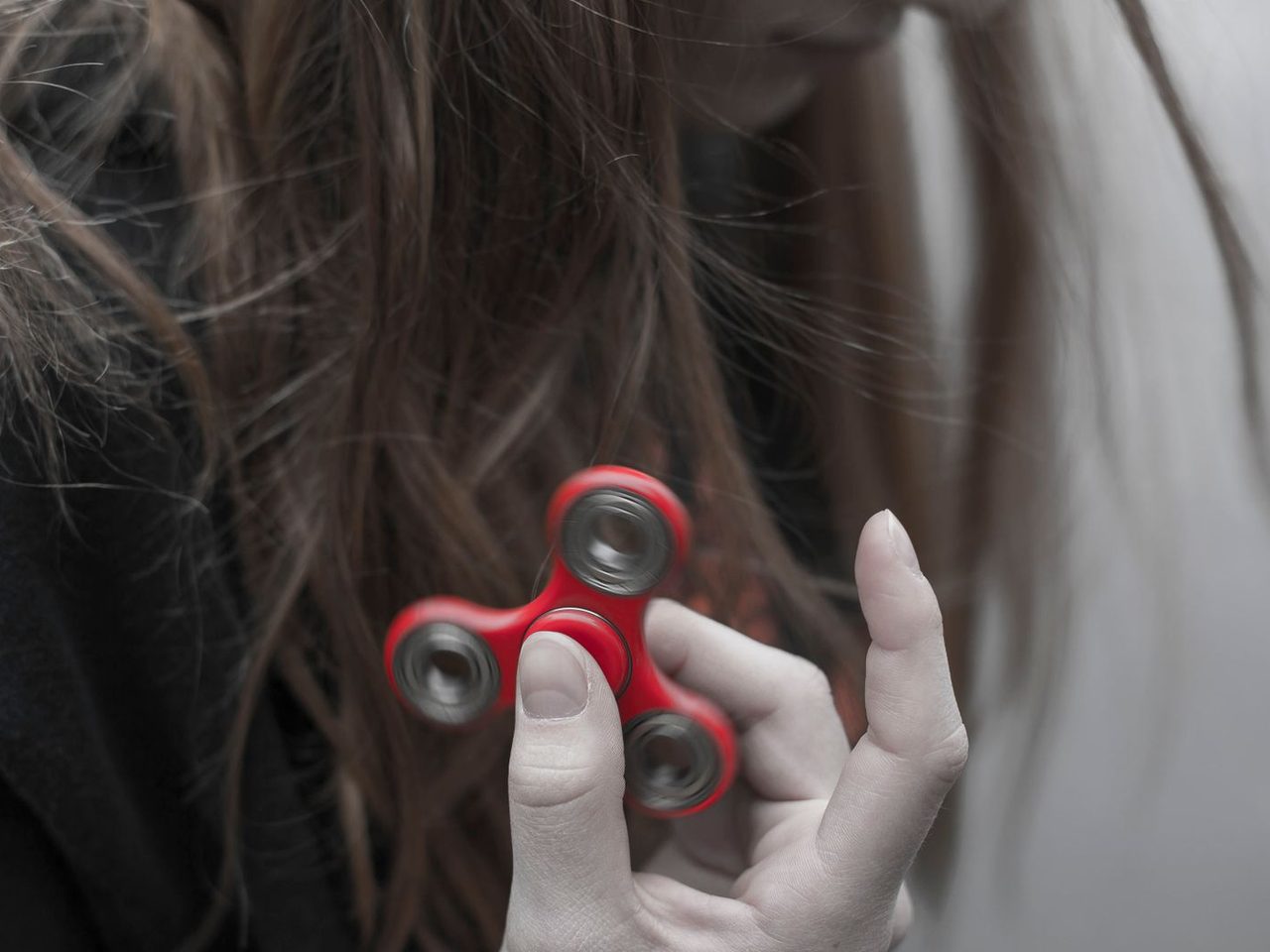
What trichotillomania is
MedlinePlus, from the US National Institutes of Health, describes trichotillomania as a type of obsessive-compulsive and related disorder. 1 Its causes are not clearly understood. 1
MedlinePlus says it may affect as much as 4% of the population. 1 Women are 4 times more likely to be affected than men. 1 Symptoms most often begin between the ages of 11 and 13. 1
Blame tends to creep in with this condition, from others and from inside. It is worth setting it aside. MedlinePlus is plain that people with it are unable to stop the behavior. 1 The American Academy of Dermatology adds that some people may be unaware that they are pulling their hair. 2 Neither of those is a matter of trying harder.
How it shows on the scalp
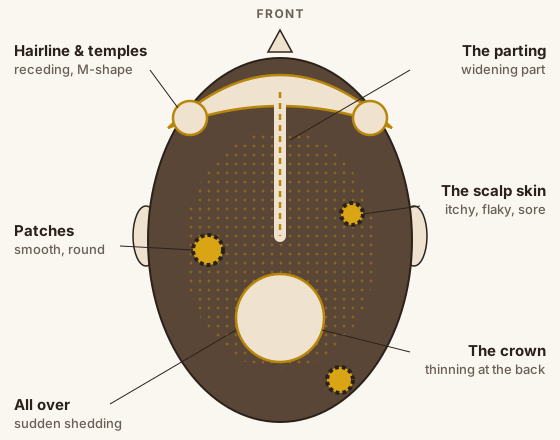
The hair may come out in round patches or across the scalp. 1 The effect is an uneven appearance. 1 A person may also pluck other hairy areas, such as the eyebrows, eyelashes or body hair. 1
MedlinePlus lists these signs:
- An uneven look to the hair. 1
- Bare patches, or hair loss all around (called diffuse loss). 1
- Constant tugging, pulling or twisting of hair. 1
- Regrowth in the bare spots that feels like stubble. 1
- An increasing sense of tension before the pulling. 1
- A sense of relief, pleasure or gratification after it. 1
DermNet lists hair pulling among the injuries that can damage the hair shaft itself. 4 That is one reason the hair in affected areas can look broken rather than simply missing.
There is one less visible part to know about. Eating the pulled-out hair is called trichophagia. 1 MedlinePlus says it can cause a blockage in the intestines or lead to poor nutrition. 1 If this is part of the picture, tell a doctor. It is nothing to hide.
Why stress can make it worse
The American Academy of Dermatology says some people pull on their hair, often to relieve stress. 2 MedlinePlus describes tension building before the pulling, and a sense of relief afterward. 1 It also says decreasing stress can help, because stress may increase compulsive behavior. 1
So a hard week can bring more pulling. That is a pattern to notice, not a reason for guilt.
Stress can affect hair in a second, separate way. The AAD says that after a stressful time in life, you may notice a lot more hairs in your brush or on your pillow. 2 The medical term for this excessive shedding is telogen effluvium. 5 The AAD treats shedding as different from hair loss, which includes a compulsion to pull out one's hair. 5 Our guide on whether stress causes hair loss covers the shedding side in detail.

How it differs from alopecia areata
Both trichotillomania and alopecia areata can cause patchy hair loss. 1 3 The causes are very different.
| Trichotillomania | Alopecia areata | |
|---|---|---|
| What happens | Constant tugging, pulling or twisting of hair. 1 | The body's immune system attacks hair follicles. 2 |
| How it can look | Round patches or loss across the scalp, with an uneven look. 1 | Patchy hair loss. 3 |
| Other areas | Pulling can reach other hairy areas, like the eyebrows or eyelashes. 1 | Hair can be lost anywhere, including inside the nose and ears. Some people lose eyelashes or eyebrows. 2 |
| Regrowth | The AAD says hair can regrow if the follicles haven't been destroyed, and the pulling has to stop. 2 | The AAD says that if hair fails to grow back on its own, treatment may help stimulate regrowth. 2 |
Telling them apart is a job for a clinician. A health care provider will examine your skin, hair and scalp. 1 A small piece of tissue may be removed, called a biopsy, to find other causes such as a scalp infection. 1 Our guide to alopecia areata explains that condition in full.
When and how to get help
The Mayo Clinic suggests seeing a doctor if you are distressed by persistent hair loss in you or your child and want to pursue treatment. 3 It also says to talk to a doctor if you notice sudden or patchy hair loss. 3 MedlinePlus says early detection is the best form of prevention, because it leads to early treatment. 1
A diagnosis matters. The AAD says that without an accurate diagnosis, treatment is often ineffective. 2 DermNet notes that a careful history and full skin examination can generally result in the correct diagnosis. 4
Being honest about the pulling helps the doctor most. That can feel hard to say out loud. The AAD's message is that you don't need to suffer in silence, and a dermatologist can help. 5 For what to expect at a visit, see seeing a dermatologist about hair loss.
If you are a parent, raising it gently and without blame can make that first visit easier.
What treatment involves
MedlinePlus says experts don't agree on the use of medicine for treatment. 1 It says naltrexone and selective serotonin reuptake inhibitors (SSRIs) have been shown to be effective in reducing some symptoms. 1 Behavioral therapy and habit reversal may also be effective. 1 Whether any medicine fits your situation is a conversation for a prescriber.
Treatment is about more than hair. MedlinePlus says treatment often improves the hair pulling and the feelings of depression, anxiety or poor self-image. 1
On the hair itself, the AAD is direct. It says hair can regrow if you haven't destroyed the hair follicles. 2 It also says that for your hair to regrow, you have to stop pulling it. 2 More generally, the AAD says that with hair loss, hair will not grow until the cause stops. 5
What to expect over time
The course varies from person to person. MedlinePlus says trichotillomania that begins in children younger than 6 may go away without treatment. 1 It adds that for most people, the hair pulling ends within 12 months. 1 For others, it is a lifelong disorder. 1
A long course is not a personal failing. It is how the condition goes for some people.
Living with hair loss of any kind can be hard. DermNet notes that it may be extremely distressing and embarrassing. 4 There is no single right way to handle how it looks. Some people prefer to let their hair loss run its course untreated and unhidden. 3 Others may cover it with hairstyles, makeup, hats or scarves. 3 DermNet adds that wigs and hairpieces are options too. 4 Our guide to styling thinning hair has practical ideas.
Patches that stay visible are fine. Your hair does not need to look a certain way for you to be okay.

The short version
Trichotillomania is a hair-pulling disorder, and people with it are unable to simply stop. 1 It can leave bare patches or thinning all over the scalp. 1 Stress may increase compulsive behavior, so lowering stress can help. 1 Alopecia areata looks patchy too, but it comes from the immune system. 2 3 Experts don't agree on medicine, and MedlinePlus says habit reversal may also be effective. 1 If patches appear, a doctor can help find the cause, without judgment.
- MedlinePlus (NIH), “Trichotillomania: MedlinePlus Medical Encyclopedia”. medlineplus.gov/ency/article/001517.htm
- American Academy of Dermatology, “Hair loss: Who gets and causes”. aad.org/public/diseases/hair-loss/causes/18-causes
- Mayo Clinic, “Hair loss - Symptoms and causes”. mayoclinic.org/diseases-conditions/hair-loss/symptoms-causes/syc-2037292
- DermNet, “Hair loss, balding, hair shedding, alopecia”. dermnetnz.org/topics/hair-loss
- American Academy of Dermatology, “Do you have hair loss or hair shedding?”. aad.org/public/diseases/hair-loss/insider/shedding
- American Academy of Dermatology, “Hair loss: Signs and symptoms”. aad.org/public/diseases/hair-loss/insider/begin
General information, not medical advice. This article was drafted with AI assistance and checked against the sources listed above. Nobody at Balds is a doctor. If something here is wrong or out of date, tell us.