Scarring alopecia is hair loss caused by the destruction of hair follicles; scar tissue replaces them, so lost hair cannot grow back. 1 Warning signs include smooth, shiny bald patches, and itching, burning, tenderness, redness or scaling where hair is being lost. 1 2 There is no cure, but early treatment can slow or stop further loss, which is why it needs a dermatologist soon rather than later. 1 3
Most hair loss leaves the follicle in place. Hair can thin, shed or stop for a while, and the follicle is still there, ready to grow again. Scarring hair loss is different. Inflammation destroys the follicle, and once it is gone, hair cannot grow from that spot again.
Scarring hair loss is much less common than other types. It is also the kind where acting early matters most.
What it is
Cleveland Clinic describes scarring alopecia, also called cicatricial alopecia, as hair loss caused by the destruction of hair follicles. Hair loss can be permanent because hair can't grow back without healthy follicles. 1 DermNet says inflammation in the skin can injure the follicle, leaving bald patches with no visible follicles. 4
The difference from other hair loss is where the damage happens. Cleveland Clinic explains that in scarring alopecia, inflammation targets the part of the follicle that holds the stem cells needed for new growth, and scar tissue forms. In nonscarring hair loss, the damage is lower down, which is why hair can often regrow. 1
It is relatively uncommon. Cleveland Clinic says scarring alopecia accounts for about 7% of people who see a provider about hair loss. 1

The warning signs
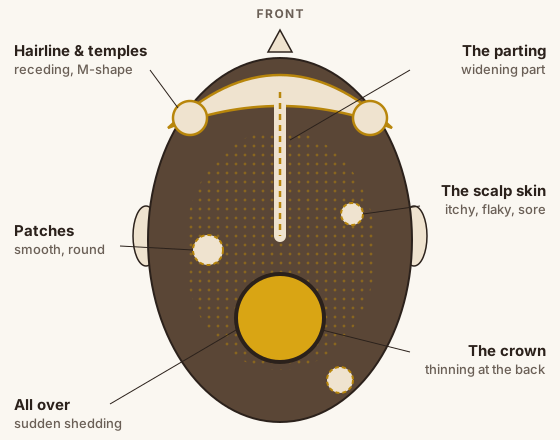
- Smooth, shiny skin where hair used to be. Cleveland Clinic says the skin tends to look smooth and shiny. 1 The AAD describes a bald area that feels smooth to the touch once many follicles have scarred. 3
- Symptoms on the scalp. Itching, burning, tenderness, redness, flaking or blisters can come with it. 1 2
- Bumps or sores. The AAD says redness, swelling and sores that itch and leak pus can point to a condition called folliculitis decalvans. 2
- Patches that grow. Loss may start slowly over many years or start suddenly and move quickly. 1
None of these signs proves scarring. But a patch of hair loss with symptoms on the skin is the clearest reason on this site to see a dermatologist soon.
The main types
Cleveland Clinic divides scarring alopecia into two groups. Primary types come from an inflammatory or autoimmune process that targets the follicle. Secondary types follow damage to the skin, such as burns, infections, radiation or tumors. 1
| Type | What it typically looks like |
|---|---|
| Central centrifugal cicatricial alopecia (CCCA) | A small round patch in the center of the scalp that grows outward; more common in Black women. 3 Some people feel small bumps, burning, stinging or itching. 3 |
| Frontal fibrosing alopecia (FFA) | A receding band along the front and sides of the hairline, often with eyebrow loss; usually after menopause. 6 |
| Lichen planopilaris | Cleveland Clinic calls it the most common primary type; it mostly affects women over 50 and can cause scaling, burning and itching. 1 |
| Folliculitis decalvans | Redness, swelling and sores that may leak pus; may follow a bacterial infection. 2 1 |
| Lupus of the skin | Hair loss with rashes, discoloration or sun sensitivity; more common in women. 1 |
Traction alopecia can also become permanent if tight styles continue for years. The AAD says that once shiny bald skin appears, the hair cannot grow back. 7 Our guide to traction alopecia covers it.
Why early matters
The logic is simple. Hair that has already been lost to scarring is very hard to bring back. Hair that hasn't is still worth protecting. The AAD says that starting treatment for CCCA early can stop it spreading and causing more permanent loss, and that some people regrow hair when treatment starts before follicles scar. 3 For FFA, it says early diagnosis and treatment can stop the disease progressing. 6
Cleveland Clinic says that when a biopsy shows only scar tissue and no active inflammation, the condition may be past the point where treatment works well. 1 Waiting to see has a real cost here.
How it is diagnosed
Cleveland Clinic describes three steps. 1 A physical exam checks where the hair is lost and whether follicle openings and signs of inflammation are still visible. A medical history covers hair care practices and conditions such as lupus, anemia or thyroid disease. A skin biopsy confirms the diagnosis and shows which type it is.
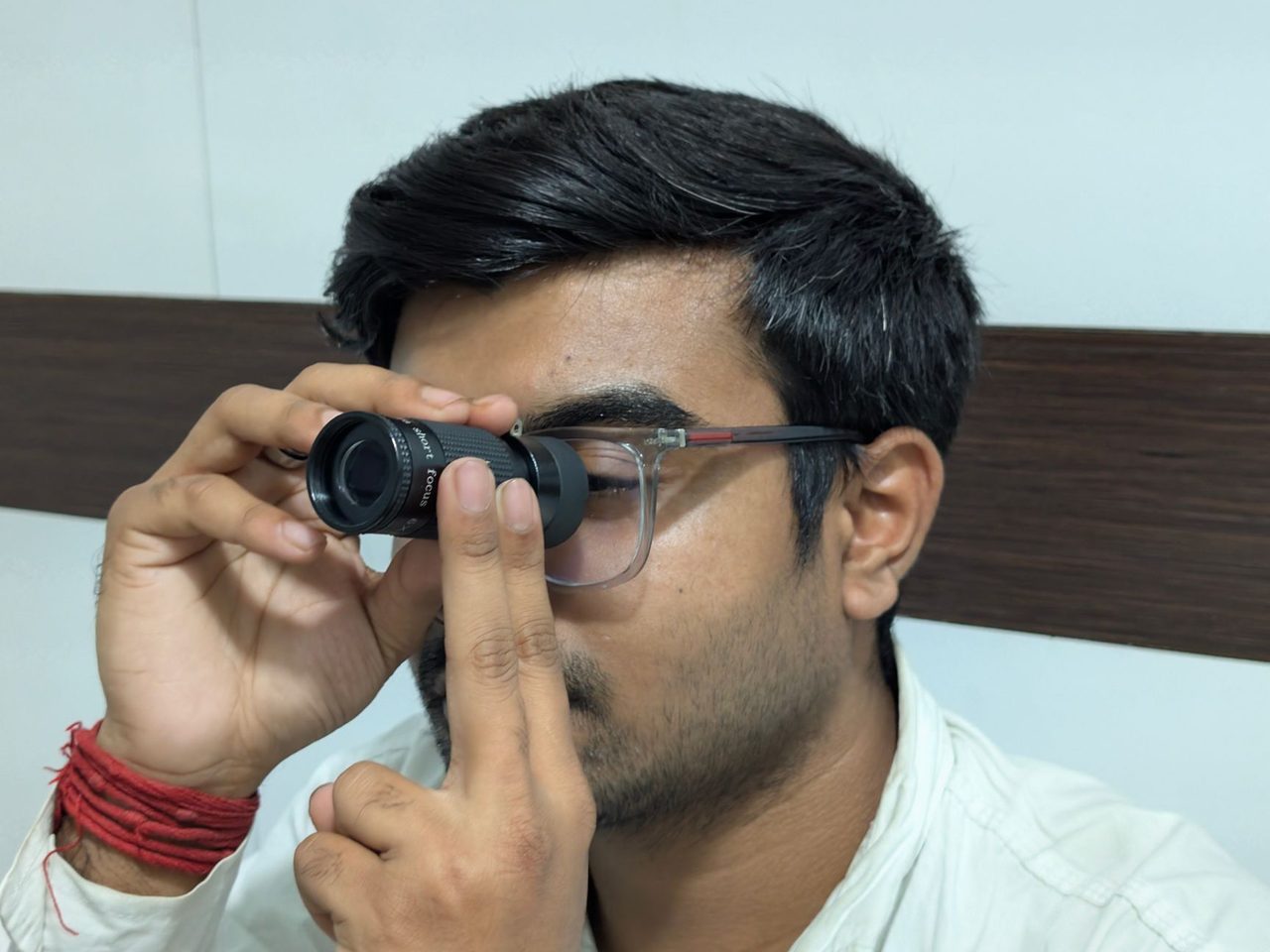
Scarring hair loss can be hard to diagnose. Cleveland Clinic advises seeing a dermatologist with a lot of experience in hair loss. 1 DermNet notes that a close look at the scalp with a magnifying device, called trichoscopy, can help tell scarring from nonscarring loss. 8
What treatment involves
Cleveland Clinic says there is no cure. Treatment aims to manage symptoms and slow or stop further hair loss. 1 It depends on the type. Anti-inflammatory medicines, as pills or injections, are the most common treatment; infections need antibiotics. 1 Cleveland Clinic says most people take medicine for six to 12 months until symptoms improve and loss slows. 1
The AAD notes that CCCA can't be treated effectively with hair loss products bought online or in stores; it needs prescription treatment. 3
Support
Hair loss that can't be reversed is hard to live with. The AAD's dermatologists stress that Black women should not blame themselves for hair loss, and that accurate diagnosis and early treatment are what matter. 9 They also note that counseling can help if hair loss affects mental health. 9 Cleveland Clinic says some cosmetic treatments can improve the look of bald patches. 1

- Cleveland Clinic, “Scarring (Cicatricial) Alopecia: What It Looks Like & Treatment”. my.clevelandclinic.org/health/diseases/24582-scarring-alopecia
- American Academy of Dermatology, “Hair loss: Signs and symptoms”. aad.org/public/diseases/hair-loss/insider/begin
- American Academy of Dermatology, “Hair loss types: Central centrifugal cicatricial alopecia overview”. aad.org/public/diseases/hair-loss/types/ccca
- DermNet, “Hair loss, balding, hair shedding, alopecia”. dermnetnz.org/topics/hair-loss
- Mayo Clinic, “Hair loss - Symptoms and causes”. mayoclinic.org/diseases-conditions/hair-loss/symptoms-causes/syc-2037292
- American Academy of Dermatology, “Hair loss types: Frontal fibrosing alopecia overview”. aad.org/public/diseases/hair-loss/types/frontal-fibrosing-alopecia
- American Academy of Dermatology, “Hairstyles that pull can lead to hair loss”. aad.org/public/diseases/hair-loss/causes/hairstyles
- DermNet, “Trichoscopy: A Complete Overview — DermNet”. dermnetnz.org/topics/trichoscopy
- American Academy of Dermatology, “Hair loss in Black women: Here’s how dermatologists help”. aad.org/public/diseases/hair-loss/insider/hair-loss-black-women
General information, not medical advice. This article was drafted with AI assistance and checked against the sources listed above. Nobody at Balds is a doctor. If something here is wrong or out of date, tell us.